Realistic Eyeball Applique: A Designer’s Review
As a designer who has spent countless hours staring at digitized files and watching needles dance across fabric, I have learned that not all machine embroidery design files are created equal. Some are mere decorations; others tell a story. When I first loaded the Realistic Eyeball Applique into my software, I was immediately struck by its bold, unsettling charm. It is not just a graphic; it is a statement piece. For those of us in the craft business, finding a design that balances visual impact with stitchability is rare. This particular file promises a creepy, lifelike aesthetic perfect for seasonal projects, but does it hold up under the scrutiny of real-world production?
First Impressions and Visual Mood
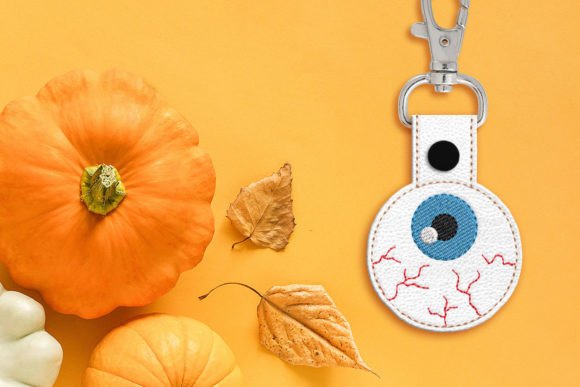
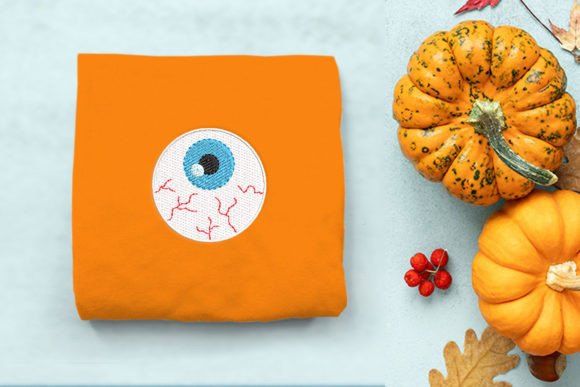
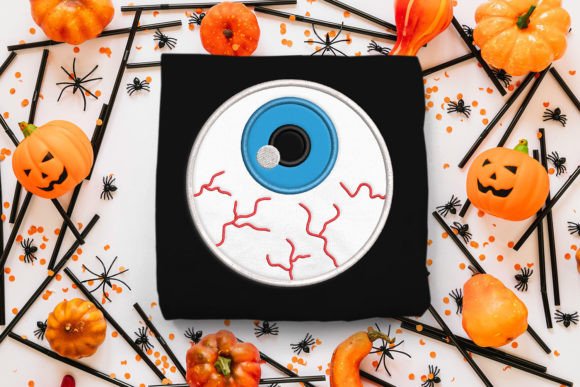
The immediate mood this design creates is one of playful horror. It captures that specific niche of Halloween enthusiasm that leans into the grotesque yet remains wearable. The layout is centered and bold, relying on the contrast between the white of the sclera and the darker tones of the iris and pupil. As an embroidery product reviewer, I look for clarity in shape. Here, the circular form is distinct, which is crucial for applique work. If the edges are not crisp, the entire illusion falls apart.
The detail level is high without being overly dense. This is a critical distinction. Many designers make the mistake of over-digitizing realistic features, resulting in a stiff, cardboard-like finish. This design seems to understand the medium. It uses the applique technique to its advantage, allowing the fabric to do some of the heavy lifting regarding texture and color, while the stitching defines the structure. For an Etsy seller or small shop owner, this means the finished product will feel premium rather than mass-produced.
Real-World Application: The Tote Bag Test
To truly evaluate an embroidery file, you must imagine it on a physical object. I recently considered using this design for a custom embroidered tote bag intended for a local haunted house fundraiser. The concept was simple: a canvas tote with this staring eye in the center. The realism of the eyeball adds a layer of depth that flat prints cannot achieve.
When planning such a project, the choice of fabric matters immensely. For a tote bag, a medium-weight canvas provides the necessary stability. However, if you were to attempt this on a thinner material, like a standard cotton t-shirt, you would need to be very careful with your stabilizer choice. The weight of the applique fabric combined with the satin stitch borders could cause puckering if not supported correctly. In my mental mockup, I envisioned this on a dark navy sweatshirt. The contrast would make the white of the eye pop, creating a striking piece of custom apparel that customers would notice from across the room.
Technical Considerations for Stitching
The product description notes that steps are separated by color changes and advises against color sorting. This is a vital instruction for any embroidery designer. In multi-needle machines, this might seem inefficient, but for single-needle home machines, it ensures the correct sequence of placement stitches, cut lines, and tack-down stitches. Ignoring this could lead to a misaligned applique, ruining the realistic effect.
One must pay close attention to the satin stitch boundaries. In realistic designs, the transition between the iris and the sclera must be smooth. If the stitch density is too high, the thread may break or the fabric may pucker. If it is too low, the underlying fabric might show through, breaking the illusion. I recommend testing this design on scrap fabric first. Check how your specific machine handles the turnarounds in the circular shapes. Curved surfaces, like caps or hats, require extra caution. While this design could work on a cap, the curvature might distort the circular shape of the eye, making it look oval. For best results, stick to flat or slightly curved surfaces like pillow covers or aprons.
Fabric and Stabilizer Strategy
Choosing the right stabilizer is non-negotiable for applique work. Since this design involves cutting and placing fabric, you need a stabilizer that can withstand the tension of the placement stitches and the final border. A cut-away stabilizer is often best for garments that will be washed frequently, such as sweatshirts or baby items. For decorative items like wall hangings or holiday gifts that see less wear, a tear-away might suffice, but I always lean towards durability.
Thread colors play a significant role in the success of this design. Do not assume standard white thread will work for every fabric. If you are stitching on off-white or cream fabric, the eye may look dirty or aged, which might be intentional for a vintage horror look but disastrous for a clean, modern aesthetic. Always test your thread colors against your fabric background. High-contrast combinations, such as black fabric with bright white and blue threads, yield the most dramatic results.
Commercial Viability and Brand Consistency
For commercial embroidery projects, consistency is key. If you are selling this as part of a boutique branding line or as a standalone digital embroidery file, ensure that the quality is reproducible. Customers trust handmade products because of their perceived quality. A poorly stitched applique with loose threads or misaligned layers erodes that trust. This design, when executed correctly, enhances brand consistency by offering a unique, high-detail asset that stands out in a sea of generic clipart-style embroidery.
Consider the marketability. This is not just for Halloween. With the right styling, it could fit into gothic fashion year-round. Imagine it on a denim jacket or as part of a quirky nursery decor theme for parents who love alternative aesthetics. The versatility of the design increases its value to both the maker and the buyer. However, always confirm licensing before selling finished items. While many designers allow commercial use of finished physical goods, selling the digital file itself usually requires a different license.
Final Verdict for Makers
The Realistic Eyeball Applique is a strong contender for your next creative project. It offers a blend of technical challenge and visual reward. It is not a design for beginners who are still mastering hoop alignment, but for experienced makers, it provides an opportunity to showcase skill. Remember to respect the color change sequence, choose your fabrics wisely, and never skip the test stitch. Whether you are creating personalized gifts, expanding your Etsy listings, or just experimenting with new design assets, this file offers a compelling mix of creepiness and craftsmanship. Treat it with the precision it demands, and it will deliver a finished product that captivates and intrigues.