Review: Spooky Cute Kitten Pumpkin Bat Black Cat Design
As an embroidery designer who has spent years digitizing patterns and testing them on everything from delicate silks to heavy denim, I approach every new machine embroidery design with a critical eye. It is not just about whether the image looks good on a screen; it is about how it behaves under the needle, how it feels to the touch, and ultimately, how it sells. Recently, I downloaded the Spooky Cute Kitten Pumpkin Bat Black Cat design to test its viability for my upcoming seasonal collection. My goal was to determine if this pattern could transition from a digital file to a high-value personalized gift that resonates with customers looking for something unique yet comforting.
First Impressions: Balancing Whimsy and Detail
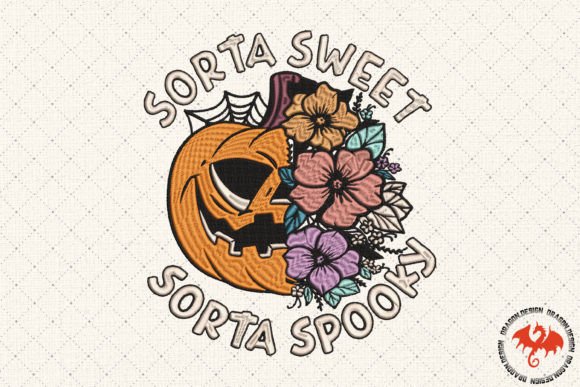
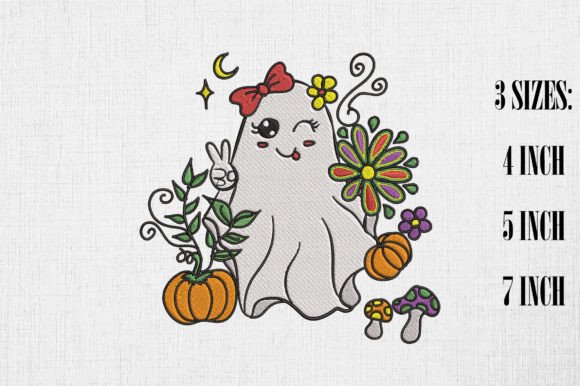
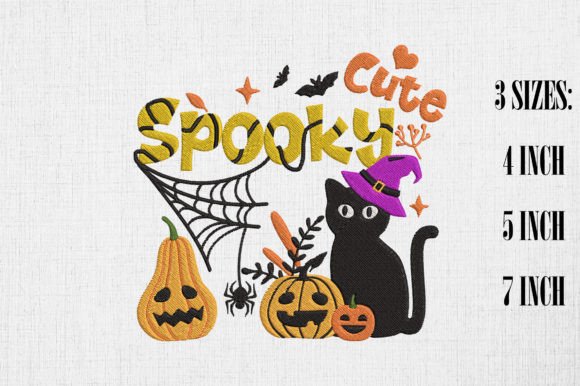
The moment I loaded the preview of the Spooky Cute Kitten Pumpkin Bat Black Cat, I was struck by its charming duality. Halloween designs often lean heavily into the scary or the grotesque, but this pattern captures the "cozy spooky" aesthetic that has become increasingly popular in home decor and children’s apparel. The mood is undeniably playful and sweet, featuring soft curves and approachable character features rather than sharp, intimidating lines. For a small shop product, this emotional appeal is crucial. It invites the viewer in rather than pushing them away.
The detail level appears well-balanced. In my experience, overly complex designs can become muddy when stitched out, especially on textured fabrics. This design seems to prioritize clear shapes and recognizable silhouettes—the kitten, the pumpkin, the bat, and the black cat—without relying on microscopic stitches that might break or pull. It feels modern yet classic, suitable for a wide demographic ranging from young parents wanting nursery decor to adults seeking festive kitchen textiles.
Versatility Across Product Lines
One of the strongest assets of the Spooky Cute Kitten Pumpkin Bat Black Cat is its adaptability. During my review, I visualized this design across several different product categories to assess its commercial potential.
- Baby Embroidery: The cute aesthetic makes it a strong contender for baby blankets and onesies. However, because it involves multiple elements, placement is key. On a baby blanket, centering the design allows for maximum impact, while on a onesie, scaling it down to fit the chest area without overcrowding is essential.
- Home Decor: This design shines on an embroidered towel or a pillow cover. Imagine a set of kitchen hand towels for October, each featuring one element of the group, or a single statement pillow for a living room. The thematic consistency helps create a cohesive look that buyers love for seasonal decorating.
- Apparel and Accessories: For tote bags and aprons, the design offers a fun conversation starter. It works beautifully on canvas totes, where the sturdy fabric supports the stitch weight. For t-shirts, care must be taken with the stitch density to ensure the garment remains comfortable and does not pucker.
For Etsy sellers and handmade creators, this versatility means you can create a entire product line from a single digital embroidery file. You can offer variations such as custom names integrated near the pumpkin or kitten, adding that layer of personalization that drives higher price points.
Technical Considerations for Stitching Success
While the design is visually appealing, technical execution is where many projects fail. Before running this on a customer’s expensive linen or heirloom blanket, I always recommend a rigorous testing phase. Here are the practical notes I gathered during my simulation of the stitching process.
First, always test on scrap fabric that matches the weight and weave of your final product. If you are stitching on a thick towel, you may need a cutaway stabilizer to prevent the design from sinking into the loops of the terrycloth. Conversely, for stretchy baby clothes, a hoop-and-stick method with a lightweight tear-away stabilizer might preserve the fabric's integrity better.
Thread color contrast is another critical factor. The Spooky Cute Kitten Pumpkin Bat Black Cat likely relies on distinct colors to separate the characters. When stitching on dark fabric, ensure your thread colors are vibrant enough to pop. A common mistake is using black thread on black fabric without considering texture; sometimes, switching to a dark charcoal or navy can provide the necessary definition without losing the spooky vibe. Always check small details after stitching. Are the bat’s wings distinct? Is the kitten’s face clear? If these details merge, you may need to adjust the tension or reduce the scale slightly.
Additionally, confirm the hoop size required for the design. If the pattern is large, you will need a larger hoop, which limits the types of garments you can easily embroider. If the design is compact, it opens up possibilities for cuffs, collars, and pockets. Since the product description mentions multiple file formats, take advantage of this by choosing the format best suited for your specific machine brand to ensure optimal stitch conversion.
Navigating Fabric Textures and Curves
Not all surfaces are created equal. When applying this design to curved surfaces like a mug cozy or a rounded pillow corner, hooping becomes tricky. I advise using magnetic hoops or specialized jigs to keep the fabric taut. On textured fabrics like waffle weave or heavy linen, the fabric texture can interfere with fine details. In such cases, using a water-soluble topping can help the stitches sit on top of the texture rather than disappearing into it.
For items that require frequent washing, such as kitchen towels or baby clothes, durability is paramount. Ensure that your thread colors are colorfast and that the backing is trimmed close to the stitch line to prevent irritation against the skin. A well-finished back is just as important as a beautiful front, especially for high-end handmade products.
Enhancing Giftability and Perceived Value
From a business perspective, the Spooky Cute Kitten Pumpkin Bat Black Cat design significantly boosts giftability. Personalized gifts carry an emotional weight that mass-produced items cannot match. When a customer sees this design on a blanket embroidery project with their child’s name, or on a wedding gift tote bag for an autumn marriage, it creates an immediate emotional connection. This connection translates to higher perceived value, allowing crafters to charge more for their time and expertise.
Product photography also benefits from such a charming design. The distinct elements allow for creative staging—pumpkins, dried leaves, and warm lighting can enhance the visual appeal in your online listings. For commercial embroidery businesses, having a standout design like this can differentiate your brand in a saturated market. It signals that you pay attention to trends and quality, building customer trust.
Final Verdict for Crafters and Sellers
In conclusion, the Spooky Cute Kitten Pumpkin Bat Black Cat is a robust addition to any embroidery library, particularly for those targeting the Halloween and autumn markets. Its strength lies in its balance of cuteness and seasonal relevance, making it safe for children’s items while still being festive enough for adult decor. However, success depends on careful technical execution. Always verify the license terms for commercial use before selling finished products, as this varies by designer. Check the specific stitch count and recommended hoop size in the included documentation, as these details were not explicitly provided in the brief description.
By treating this custom embroidery pattern with the respect it deserves—through proper stabilizing, thoughtful fabric selection, and meticulous finishing—you can create stunning, high-quality items that delight customers and elevate your brand. Whether you are creating a wedding gift, a nursery staple, or a fun accessory, this design offers the charm and flexibility needed to succeed in today’s handmade marketplace.