Reviewing Flowers Butterflies for Real Embroidery Projects
As a designer who spends more time staring at stitch simulations than I care to admit, I have learned that not every machine embroidery design looks as good on fabric as it does on a screen. When I first opened the Flowers Butterflies file, my initial reaction was one of cautious optimism. The preview promised an adorable accent, but in the world of professional Embroidery, "adorable" can sometimes translate to messy if the digitizing isn’t up to par. I needed to know if this pattern could hold its own in a real-world scenario, specifically for clients who expect durability and visual clarity.
First Impressions and Visual Mood
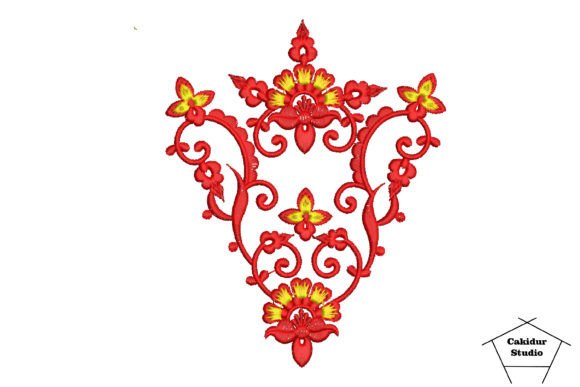
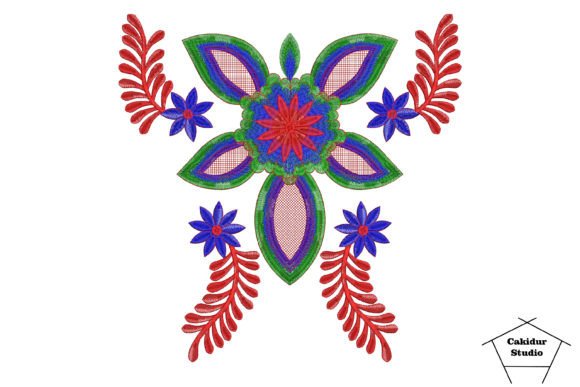
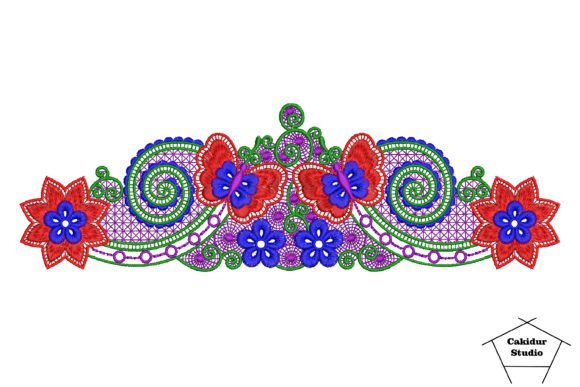
The Flowers Butterflies pattern falls under the category of Intricate Cuts, which immediately signals that attention to detail is paramount. The layout balances organic floral shapes with the delicate wings of butterflies, creating a whimsical yet structured composition. It does not feel cluttered; instead, it offers a breathable design that allows the fabric texture to show through in the right places. This is crucial because overly dense designs can pucker lightweight materials, ruining the finished product before it even leaves the hoop.
The mood here is soft and inviting. It is not aggressive or overly modern, which makes it versatile. I could easily see this working for spring collections, nursery decor, or gentle branding for a boutique shop. The visual personality suggests warmth, making it an excellent candidate for items meant to comfort or delight, such as baby clothes or personalized gifts.
Real-World Application: The Tote Bag Test
To truly evaluate Flowers Butterflies, I decided to run a test on a canvas tote bag. Tote bags are a staple for any Etsy seller or craft business owner because they are high-visibility items. However, canvas can be tricky. It has a distinct weave that can interfere with small details if the stitch density is too low.
I hooped the fabric with a medium-weight cut-away stabilizer to ensure the material remained taut. As the machine began stitching, I watched closely how the needle handled the transition between the flower petals and the butterfly wings. The design utilizes a mix of satin stitch for the outlines and fill stitch for the broader areas. On the canvas, the satin edges popped nicely, providing a clean definition that prevented the design from looking muddy. The result was a crisp, professional-looking tote bag design that felt substantial to the touch.
This success translates well to other heavy-duty applications. If you are creating custom apparel like denim jackets or sturdy aprons, this design will likely perform similarly well. The structural integrity of the digitizing seems robust enough to handle fabrics that have some resistance.
Versatility Across Product Lines
Beyond totes, I considered how Flowers Butterflies would fare on softer goods. For sweatshirt embroidery, the plush texture of fleece or cotton blends requires a different approach. Here, the intricate nature of the design shines. The varying thread paths help the design sit on top of the pile rather than sinking in. This makes it a strong contender for holiday embroidery projects or cozy winter wear where you want a touch of elegance without bulk.
For baby embroidery, such as onesies or bibs, the softness of the motif is a major selling point. Parents are drawn to gentle imagery, and the butterflies add a playful element that appeals to gift-givers. However, when working with knit fabrics for babies, you must be mindful of stretch. Using a proper stabilizer is non-negotiable to prevent the design from distorting after washing. If you are an embroidered patch maker, this design could also work beautifully on twill, provided you adjust the density to avoid stiffness.
Considerations for Challenging Fabrics
While Flowers Butterflies is versatile, it is not without its limitations. Designers should exercise caution when placing this on very thin or slippery fabrics like silk or rayon. The Intricate Cuts aspect means there are fine lines that might pull or pucker if the tension is not perfectly calibrated. Similarly, on dark fabrics, you need to ensure your thread colors have enough contrast. A low-contrast combination might cause the detailed wings to get lost, reducing the visual impact.
Curved surfaces, such as caps, present another challenge. The width of the design needs to fit within the available hoop space without distorting around the curve. I recommend creating a printable mockup first to visualize the placement. If the design is too wide, it may wrap around the sides of a cap awkwardly. Always check the recommended hoop size before committing to a project.
Enhancing Brand Value and Customer Trust
From a business perspective, the quality of your design assets directly impacts perceived value. A clean, well-digitized embroidery file like Flowers Butterflies helps build customer trust. When a buyer receives a handmade product with crisp stitches and no loose threads, they are more likely to leave positive reviews and return for future purchases. This design supports that level of professionalism.
For small shop product lines, consistency is key. If you use this design across multiple items—such as matching pillow covers and tea towels—it creates a cohesive brand aesthetic. This recognition helps in standing out in crowded marketplaces. Furthermore, using high-quality digital embroidery file sources reduces the time spent fixing errors, allowing you to focus on marketing and customer service.
Practical Designer Notes for Best Results
Before you launch this design into your production line, keep these practical tips in mind:
- Test on Scrap Fabric: Always run a test stitch-out on the same type of fabric you plan to use for the final item. This helps you identify tension issues early.
- Check Thread Contrast: View your design in black and white to ensure the details remain visible regardless of color choice.
- Review Stitch Density: If the design feels too stiff on lighter fabrics, consider reducing the density slightly in your editing software, if permitted.
- Confirm Hoop Size: Ensure your machine’s hoop can accommodate the full dimensions of Flowers Butterflies without re-hooping, which can cause alignment errors.
- Inspect Small Details: Zoom in on the butterfly wings and flower centers. Make sure the running stitch connections are secure and won’t unravel easily.
- Licensing Verification: Always confirm the license terms. While many designs allow for commercial use on physical items, selling the digital embroidery file itself is usually prohibited. Check the specific terms provided with your purchase.
In conclusion, Flowers Butterflies is a solid addition to any designer’s library. It balances aesthetic appeal with technical reliability, making it suitable for a wide range of commercial embroidery projects. Whether you are creating a personalized gift for a friend or stocking your online store with new small business merchandise, this design offers the quality needed to impress. Just remember that the best results come from understanding your materials and respecting the nuances of the digitizing. With careful preparation, this pattern can indeed make your designs look out of this world.