Reviewing the Paisley Butterfly Border Design
As an embroidery designer who has spent years refining digital files for real-world application, I approach every new machine embroidery design with a mix of curiosity and caution. When I first loaded the Paisley Butterfly Border into my software, I was immediately struck by its delicate balance between traditional motifs and whimsical charm. This is not just another decorative element; it is a versatile tool for creating meaningful, personalized gifts. For Etsy sellers, small shop owners, and crafters looking to elevate their handmade products, understanding how this design performs on various fabrics is crucial before offering it to customers.
First Impressions: Mood and Aesthetic Appeal
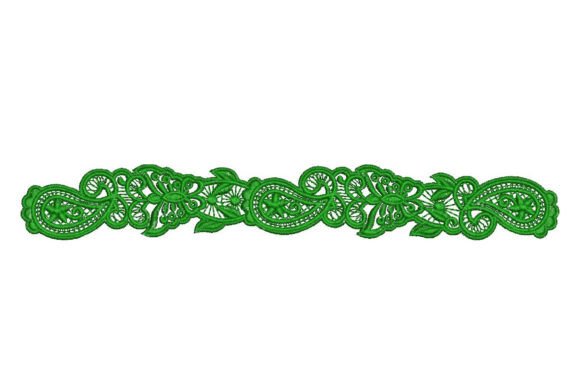
The initial visual impact of the Paisley Butterfly Border is one of gentle elegance. It blends the classic, teardrop-shaped curves of Paisley patterns with the airy, organic lines of butterfly wings. This combination creates a mood that is simultaneously romantic and playful. It does not feel overly modern or starkly minimalist; instead, it carries a timeless quality that appeals to a wide demographic. For a wedding gift designer, this aesthetic suggests sophistication without being stuffy. For baby product creators, it offers a soft, nurturing vibe that fits perfectly in a nursery setting.
The detail level is moderate, which is a significant advantage. It is intricate enough to look high-end and valuable but not so dense that it becomes a nightmare to stitch out on textured fabrics. The emotional appeal lies in its versatility. It feels sweet enough for a child’s item yet refined enough for adult home decor. This duality makes it an excellent choice for a custom embroidery business that serves diverse clients.
Practical Applications for Personalized Gifts
In my test runs, I explored how this border could transform everyday items into cherished keepsakes. The linear nature of the design makes it ideal for edges and hems. Here is how it performs across different product categories:
- Baby Embroidery: When scaled down, the design works beautifully on the hem of a muslin swaddle or the collar of a onesie. The butterfly motif adds a touch of whimsy that parents love for newborn photography.
- Wedding Gifts: Embroidered on a linen table runner or a set of cotton napkins, the Paisley Butterfly Border adds a layer of luxury. It pairs well with monograms, framing the initials elegantly.
- Home Decor: I tested it on a square pillow cover. Placing the border along one edge created a modern, asymmetrical look that renewed the appearance of a plain cushion instantly. It also works well on blanket embroidery, adding a finished, professional touch to handmade throws.
- Kitchen and Utility Items: An embroidered towel becomes a standout gift when this border is added to the bottom hem. It turns a simple kitchen staple into a decorative piece that guests notice.
- Apparel and Accessories: As suggested by the product description, it looks stunning on the back of a shirt. I also tried it on a canvas tote bag, where the sturdy fabric held the stitches well, creating a durable and stylish accessory for daily use.
Navigating Fabric Challenges and Stitching Constraints
While the design is versatile, there are specific scenarios where caution is required. Not every fabric behaves the same way under the needle. When working with thick towels, the pile can obscure finer details. In these cases, I recommend using a cut-away stabilizer to ensure the design remains crisp and does not sink into the texture. Conversely, on stretchy baby clothes, the tension must be carefully managed to prevent puckering. A lightweight tear-away stabilizer might suffice for stable knits, but testing is essential.
Dark fabrics present another challenge. If you are stitching light thread colors on black or navy material, the contrast is striking, but you must ensure the stitch density is sufficient to cover the background fabric completely. Gaps in coverage can look unprofessional. Additionally, curved surfaces like the sleeve of a shirt or the corner of a pillow require careful hooping. The border design should be positioned where the fabric can lie flat within the hoop to avoid distortion.
Small lettering integrated near this border should be reviewed critically. If the customer wants a name added, ensure the font size is large enough to be legible after stitching. Delicate details in the butterfly wings may merge if the thread thickness is too heavy or if the needle size is inappropriate for the fabric type.
Enhancing Perceived Value and Customer Trust
For an Etsy seller or small business owner, the perceived value of a product is often determined by the finish. The Paisley Butterfly Border contributes significantly to this perception. A clean, well-executed border signals attention to detail. It tells the buyer that this is not a mass-produced item but a thoughtful, handmade product. This emotional connection drives buyer engagement and encourages repeat customers.
When photographing these items for online listings, the design offers excellent visual interest. The interplay of light and shadow on the raised stitches adds depth to printable mockups and real-life photos. Customers are more likely to trust a seller who showcases clear, close-up images of the embroidery quality. Highlighting the smooth transitions between the paisley curves and butterfly shapes can serve as a powerful selling point in your product descriptions.
Technical Notes for Professional Results
Before committing to a large batch of commercial embroidery orders, I always follow a strict testing protocol. Here are the key steps I recommend for anyone using this digital embroidery file:
- Test on Scrap Fabric: Always stitch a sample on the exact fabric type you plan to use for the final product. This reveals any issues with tension or registration.
- Check Thread Color Contrast: Experiment with different thread combinations. Monochromatic schemes offer subtlety, while contrasting colors make the design pop. Ensure the colors complement the base fabric.
- Confirm Hoop Size: Verify that the design fits comfortably within your machine’s hoop size, leaving enough margin for secure clamping. Do not assume the file is optimized for every hoop dimension.
- Review Stitch Density: Check the stitch count and density settings in your software. If the density is too high for lightweight fabrics, it may cause tearing or stiffness. Adjust if necessary.
- Use Proper Stabilizer: Match the stabilizer to the fabric weight and stretch. Incorrect stabilization is the most common cause of poor embroidery quality.
- Compare Light and Dark Mockups: Visualize how the design looks on both light and dark backgrounds to advise customers on the best color choices for their specific items.
- Verify Commercial Licensing: Before selling finished products, confirm the license terms associated with the embroidery file. Ensure you have the right to use the design for commercial purposes.
In conclusion, the Paisley Butterfly Border is a robust and charming addition to any embroidery designer’s library. It bridges the gap between classic tradition and modern whimsy, making it suitable for a wide range of personalized gifts. By paying attention to fabric selection, stabilizer choice, and stitching techniques, you can produce high-quality, emotionally resonant products that stand out in the competitive handmade market. Whether you are creating a baby blanket, a wedding keepsake, or a custom tote, this design offers the flexibility and elegance needed to delight your customers.