Reviewing Tomorrow Needs You Mental Health for Merch
As an embroidery designer who has spent years digitizing and testing files for small business owners, I approach every new machine embroidery design with a critical eye. It is not just about whether the art looks pretty on a screen; it is about how it performs under the needle, how it wears over time, and how it elevates a brand. Today, I am reviewing Tomorrow Needs You Mental Health, a piece categorized under Awareness that promises to complement a wide range of products from t-shirts to home decor. For boutique owners, Etsy sellers, and apparel decorators, understanding the practical application of this design is crucial before adding it to your commercial library.
First Impressions and Visual Personality
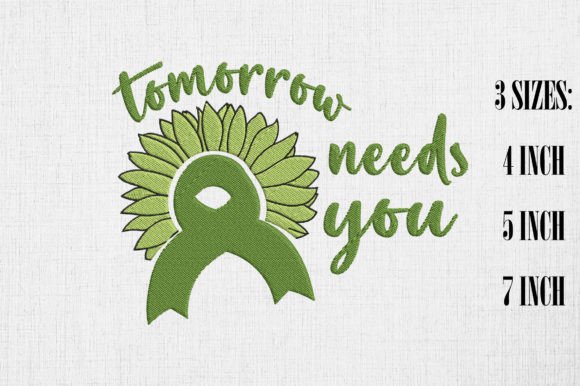
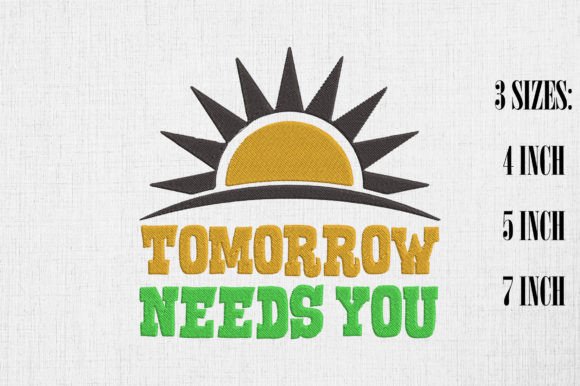
The title Tomorrow Needs You Mental Health immediately suggests a message of hope, support, and community care. In the world of branded merchandise, emotional resonance is a powerful sales driver. Visually, designs in the Awareness category often lean toward clean lines and legible typography to ensure the message is read quickly. Based on the description stating it will beautifully complement dresses, scarves, and home decor, I anticipate a design that balances aesthetic appeal with clarity. It does not feel overly rustic or aggressively bold; rather, it strikes a tone that is professional yet deeply human. This makes it versatile for businesses that want to project warmth and reliability, such as creative studios, local bakeries, or wellness-focused boutiques.
Real-World Applications for Small Business Merch
When evaluating a digital embroidery file for commercial use, I look for versatility. Here is how Tomorrow Needs You Mental Health can be integrated into various product lines:
- Embroidered Patches: This is perhaps the strongest use case. A well-digitized awareness design works exceptionally well as an iron-on or sew-on patch. It allows customers to add a meaningful statement to jackets, backpacks, or hats without committing to a full garment print. For handmade brands, selling these as standalone design assets or finished patches can drive significant revenue.
- Staff Uniforms and Aprons: For cafés and florists, staff apparel is a walking billboard. Embroidering this message on the chest of an apron or the sleeve of a work shirt adds a layer of personality to the uniform. It signals to customers that the business cares about more than just transactions, fostering a sense of community trust.
- Tote Bag Design: Tote bags are staples for bookstores and markets. Placing this design centrally on a canvas tote creates a functional piece of advocacy. The durability of embroidery ensures the message remains vibrant even after repeated washing, unlike screen prints which may crack over time.
- Cap Embroidery: A subtle placement on the side or back of a cap can be very effective. However, front-panel placement requires careful consideration of the design’s width and curvature compatibility, which I will address in the technical notes below.
Technical Considerations and Production Challenges
While the aesthetic potential is high, any experienced embroiderer knows that execution is everything. Before running a production batch, you must evaluate specific technical factors. The product description notes that the file comes in multiple formats, which is essential for compatibility with different machine brands. However, it does not specify exact stitch counts or recommended hoop sizes. Therefore, you must check these details in the included documentation before purchasing or producing.
Stitch density is a critical factor. If the design is too dense, it can cause puckering, especially on lighter fabrics like t-shirts or scarves. Conversely, if it is too light, the backing fabric might show through, particularly on dark uniforms. I recommend testing the design on a scrap piece of the actual fabric you intend to use. Pay close attention to thread colors. Since this is an awareness design, contrast is key. Ensure your thread choice stands out against the garment color. For example, white or light pastel threads on navy blue shirts offer high visibility and a premium look.
Another challenge is the surface texture. If you are applying this to textured home decor items or heavy canvas totes, you may need a stronger cut-away stabilizer to prevent distortion. For curved surfaces like caps, the design must be digitized with pull compensation in mind. If the lettering is tiny, it may become illegible when stitched out. Always zoom in on your software to inspect spacing and connection points.
Impact on Brand Identity and Customer Trust
Incorporating Tomorrow Needs You Mental Health into your product line does more than add decoration; it shapes your brand identity. Customers today are increasingly drawn to businesses that align with their values. By offering high-quality custom apparel or accessories featuring this message, you position your brand as empathetic and socially conscious. This can significantly enhance customer loyalty and engagement.
Furthermore, the perceived value of embroidered goods is generally higher than printed ones. The texture and dimensionality of embroidery convey a sense of craftsmanship and durability. When a customer receives a handmade product with precise stitching, it reinforces the quality of your entire brand. This is particularly important for Etsy sellers and craft businesses where presentation is paramount. A well-executed embroidery job can justify a higher price point and encourage repeat purchases.
Practical Designer Notes for Best Results
To ensure the best outcome with this design, follow these practical steps before finalizing your commercial embroidery projects:
- Test in Black and White: Before selecting your final thread palette, stitch out the design in black thread on white fabric. This helps you identify any issues with stitch direction, density, or legibility without the distraction of color.
- Check Small Patch Size: If you plan to use this as a small logo accent or patch, verify that the details remain clear at reduced sizes. Tiny lettering can merge together if the stitch count is too high for the scale.
- Confirm Commercial Licensing: Always review the license terms included with the embroidery file. Ensure you have the right to use the design for physical goods sold in your shop. Most designers allow this, but it is vital to confirm to avoid legal issues.
- Create a Printable Mockup: Use digital mockups to show clients or preview the design on different garments. This helps in visualizing the final finished product and making adjustments to placement before stitching.
- Compare with Other Assets: Place this design alongside your existing branding elements. Does it fit visually? Consistency in style helps build a cohesive brand image across all your merchandise.
In conclusion, Tomorrow Needs You Mental Health offers a meaningful addition to the toolkit of any embroidery professional or small business owner. Its potential extends beyond simple decoration, serving as a tool for community building and brand differentiation. By paying attention to technical details like stabilizer choice, thread contrast, and fabric compatibility, you can transform this digital file into a high-value physical product. Whether used on a cozy scarf, a sturdy tote bag, or a professional apron, this design has the power to connect with customers on a deeper level, proving that thoughtful embroidery is indeed a powerful medium for modern business.