Seven Blooming Flowers: A Designer’s Review
As an embroidery designer who has spent years digitizing patterns and consulting with small business owners, I approach every new machine embroidery design with a critical eye. It is not just about whether a pattern looks pretty on a screen; it is about how it performs in the real world of commercial production. Recently, I evaluated Seven Blooming Flowers, a design from the Bouquets category, to determine its viability for branded merchandise and small business applications. My goal was to see if this embroidery file could hold up under the scrutiny of professional use, from staff uniforms to high-end retail packaging.
First Impressions: Visual Personality and Brand Fit
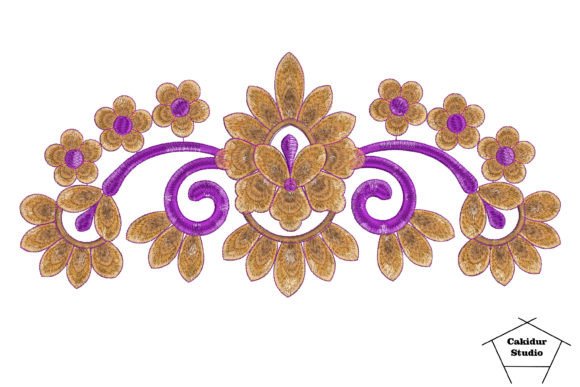
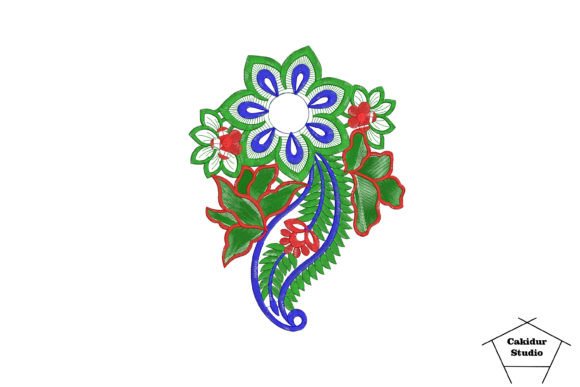
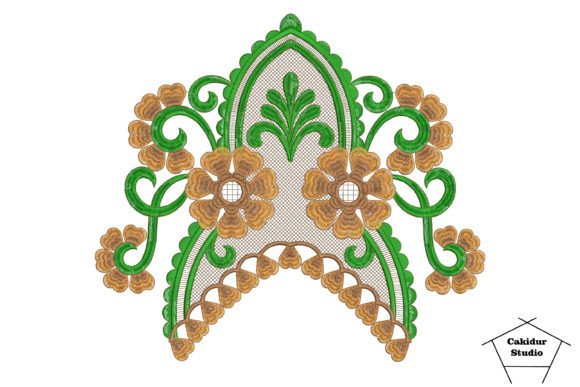
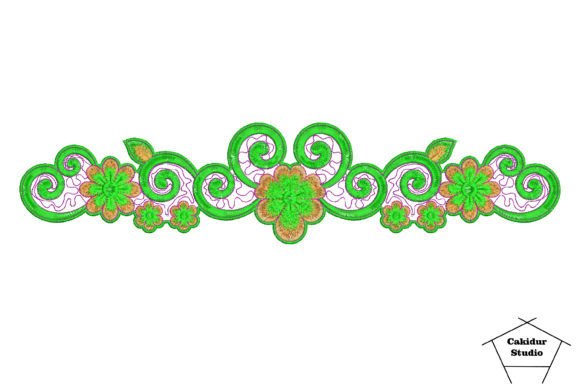
The first thing that strikes you about Seven Blooming Flowers is its inherent charm. The description promises an "adorable accent," and visually, it delivers a sense of warmth and approachability. For brands in the lifestyle, wellness, or creative sectors, this aesthetic is invaluable. It does not scream corporate rigidity; instead, it whispers handmade care. This makes it an excellent candidate for businesses that want to project a friendly, rustic, or premium handmade image.
However, "adorable" can sometimes translate to "childish" if not handled correctly. In my review, I looked for balance. Does the design have enough structural integrity to look professional on a adult’s work shirt? Yes, provided the scale is managed correctly. The floral motif suggests elegance and nature, making it a versatile asset for florists, bakeries, boutique hotels, and organic skincare brands. It feels decorative yet grounded, avoiding the trap of looking too generic.
Real-World Applications for Small Business Merch
The true test of any digital embroidery file is its versatility across different substrates. I evaluated Seven Blooming Flowers against several common use cases for small business merch.
- Embroidered Patches: This is perhaps the strongest application. An embroidered patch featuring these seven blooms can serve as a removable brand badge for tote bags, denim jackets, or laptop sleeves. It allows customers to engage with the brand interactively. The floral arrangement provides a contained shape that works well within circular or oval patch borders.
- Apron Embroidery: For cafes, florists, and craft studios, branded aprons are essential. Placing Seven Blooming Flowers on the chest pocket or the lower corner of an apron adds a touch of sophistication. It transforms a standard uniform into a piece of custom apparel that employees are proud to wear.
- Cap Embroidery: Floral designs on caps are trending, but they require careful placement. This design could work beautifully on the side panel of a dad hat or as a smaller accent above the brim. However, due to the curvature of the cap, the density of the stitches must be monitored to prevent puckering.
- Tote Bag Design: Canvas totes are a staple for retail giveaways. The contrast of colorful threads against natural canvas creates a striking visual. This design serves as a central focal point, elevating a simple bag into a desirable accessory.
Navigating Technical Challenges and Fabric Constraints
While the aesthetic appeal is high, a professional review must address technical limitations. Not every fabric behaves the same way, and Seven Blooming Flowers requires thoughtful execution to maintain its quality.
Stitch density is a primary concern. If the design is too dense, it can cause lightweight fabrics like silk or thin cotton to pucker or tear. Conversely, if the density is too low, the backing material might show through, ruining the finish. I recommend testing the design on a scrap piece of your intended fabric before running a full production batch. Pay close attention to fabric texture; highly textured materials like terry cloth or heavy wool may obscure fine details in the petals.
Another critical factor is the hoop size. Ensure that the dimensions of Seven Blooming Flowers fit comfortably within your machine’s hoop without requiring excessive re-hooping, which can lead to misalignment. For smaller items like pocket squares or collar accents, verify that the design scales down without losing definition. Tiny details can merge into a blob if the resolution is not sufficient for the reduced size.
Color selection also plays a pivotal role. While the design likely comes with suggested thread colors, do not blindly follow them. Consider your brand palette. A monochromatic version using shades of navy or charcoal can look incredibly chic and modern, suitable for corporate gifts or upscale boutiques. Always create a printable mockup to visualize how different colorways affect the overall impact.
Enhancing Brand Identity and Customer Trust
In the crowded marketplace of Etsy sellers and independent creators, consistency is key to building brand identity. Using a cohesive set of design assets helps customers recognize your products instantly. Seven Blooming Flowers can become a signature element of your visual language. When used consistently across hang tags, packaging inserts, and the products themselves, it reinforces professionalism.
Customers associate high-quality embroidery with value. A well-executed floral motif signals that attention to detail was paid during production. This perception increases the perceived value of the finished product, allowing for healthier profit margins. Moreover, handmade touches foster an emotional connection. A buyer is more likely to share a photo of a beautifully embroidered tote on social media than a plain one, driving organic engagement and trust.
Practical Notes for the Embroidery Professional
Before you commit to using Seven Blooming Flowers for commercial embroidery projects, here are my essential recommendations:
- Test in Black and White: Before investing in multiple thread spools, stitch out the design in black thread on white fabric. This reveals the structural integrity and spacing issues without the distraction of color.
- Check Stabilizer Requirements: Use the appropriate stabilizer for your fabric type. Cut-away stabilizers are generally better for garments that will be washed frequently, while tear-away may suffice for decorative items that see less wear.
- Verify Licensing: Always confirm the commercial licensing terms of the embroidery file. Ensure you have the right to use the design on items for sale. Never assume; read the license agreement provided by the designer.
- Inspect Spacing and Overlaps: Zoom in on the digitized file. Look for any areas where stitches overlap excessively or where there are large jumps that might need trimming. Clean up any unnecessary trim commands to speed up production time.
- Client Approval Mockups: If you are creating custom items for clients, present a digital mockup alongside a physical sample if possible. This manages expectations and reduces the risk of disputes over the final look.
In conclusion, Seven Blooming Flowers is a promising addition to any embroidery designer’s library. It bridges the gap between decorative charm and professional utility. By respecting the technical constraints of cap embroidery, apron embroidery, and various fabric types, you can leverage this design to create standout small business merch. It is not just a pattern; it is a tool for storytelling, brand building, and customer engagement. Treat it with the care it deserves, and it will undoubtedly make your designs look out of this world.