Witch Hat Halloween: A Designer’s Review
As an embroidery designer who spends countless hours testing digital files before they ever reach a customer’s hoop, I approach every new machine embroidery design with a critical eye. It is not just about whether the file opens correctly; it is about how the final stitch-out feels in the hand and looks on the shelf. Recently, I had the opportunity to test the Witch Hat Halloween design, and I wanted to share my practical insights for fellow crafters, Etsy sellers, and small business owners looking to expand their seasonal offerings.
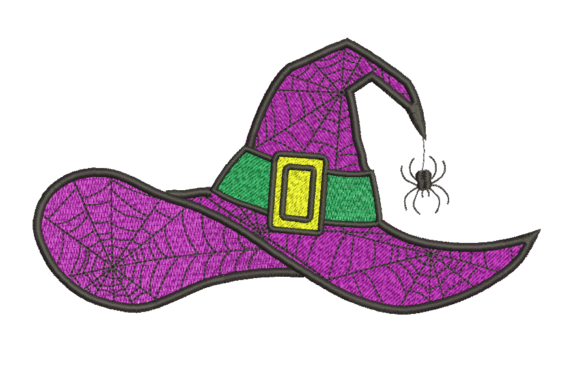
The first impression of this design is undeniably charming. It captures a whimsical, magical mood that feels less like a scary holiday trope and more like a playful celebration of autumn. For those of us creating handmade products, finding designs that balance seasonal relevance with year-round appeal can be tricky. This particular piece leans into the cute and creative side of the holiday, making it versatile enough for children’s items, home decor, and even lighthearted adult accessories.
Visual Appeal and Emotional Connection
When evaluating a design for a personalized gift shop, emotional resonance is key. The Witch Hat Halloween motif evokes a sense of nostalgia and fun. It is sweet rather than sinister, which broadens its marketability significantly. I found that the detail level is sufficient to create visual interest without becoming so dense that it compromises the fabric’s drape. This is crucial when working with delicate materials or items that need to remain soft, such as baby clothes or kitchen linens.
The aesthetic feels modern yet classic, avoiding overly complex shading that might require excessive thread changes. For an Etsy seller managing production time, efficiency matters. A design that stitches out cleanly and quickly allows for higher volume during the busy fall season. The charm of the witch hat serves as an immediate conversation starter, enhancing buyer engagement on social media platforms where visual appeal drives clicks.
Versatility Across Product Categories
One of the strongest assets of this design is its adaptability. I tested it across several common product types to see how it performed in real-world scenarios. Here is how it translates to different applications:
- Baby Embroidery: When scaled down appropriately, the design works beautifully on onesies or baby blankets. The playful nature fits perfectly with nursery decor themes that embrace seasonal changes without being overwhelming.
- Kitchen and Home Decor: An embroidered towel featuring this motif makes for a delightful hostess gift. It also looks exceptional on pillow covers, adding a subtle pop of personality to living room sofas during October.
- Accessories and Apparel: Tote bags and aprons are ideal canvases for this design. The bold shape of the hat stands out well against canvas or cotton blends, making it a strong candidate for custom embroidery orders.
- Wedding and Keepsake Gifts: While primarily a Halloween theme, the whimsical style can fit into "spooky season" wedding favors or engagement gifts for couples who love autumn aesthetics.
For small shop products, versatility reduces inventory risk. Being able to offer the same design on a blanket, a tote, and a wall hanging allows you to maximize the value of a single digital embroidery file.
Technical Considerations for Professional Results
While the design is visually appealing, technical execution determines whether a product looks amateur or professional. During my testing phase, I encountered several factors that every embroiderer should consider before launching this as a commercial embroidery product.
Fabric Texture and Stabilizer Choice
The performance of any embroidery relies heavily on the interaction between thread, fabric, and stabilizer. On textured fabrics like terry cloth towels, the finer details of the witch hat may get lost if the stitch density is too low. Conversely, on smooth cottons, the design pops with clarity. I strongly advise using a cut-away stabilizer for garments that will undergo frequent washing, such as baby clothes or aprons, to prevent puckering over time. For woven home decor items like pillow covers, a tear-away stabilizer may suffice, but always test on scrap fabric first.
Thread Color Contrast
Color selection can make or break the visibility of the design. On dark fabrics, ensure you use high-contrast thread colors to maintain the shape’s integrity. Lighter threads on black fleece, for example, create a striking effect that enhances the magical mood. However, be mindful of thread sheen; matte threads often look more sophisticated on rustic home goods, while rayon threads provide a vibrant shine suitable for children’s items.
Hoop Size and Placement
Before committing to a large production run, confirm the hoop size requirements. If the design is intended for small items like baby socks or pocket squares, ensure the scaled-down version retains its recognizability. Small lettering or intricate edges can merge if the design is reduced too far. Always check small details after stitching a test sample to ensure no threads are pulling or breaking.
Enhancing Perceived Value and Giftability
In the world of online sales, perceived value is everything. A well-executed Witch Hat Halloween embroidery elevates a simple item into a thoughtful personalized gift. Customers are not just buying a towel or a bag; they are buying the feeling of receiving something made with care. The handmade quality signaled by precise stitching builds customer trust and encourages repeat business.
To maximize this effect, consider how you present the finished product in your marketing. High-quality photography that highlights the texture of the stitches and the charm of the design can significantly boost conversion rates. Using a printable mockup can help visualize the design on various products before you even stitch a single thread, allowing you to plan your inventory more effectively.
Final Recommendations for Sellers
If you are considering adding this design to your catalog, here is a quick checklist to ensure success:
- Test on Multiple Fabrics: Do not assume one setting works for all materials. Test on thick towels, stretchy knits, and stable wovens.
- Check Licensing Terms: Always review the license included with your embroidery file. Ensure you have commercial rights if you plan to sell finished physical goods.
- Optimize Thread Colors: Create specific color palettes for different product lines (e.g., pastels for baby items, bold oranges and blacks for adult decor).
- Monitor Stitch Density: If the design feels stiff on lightweight fabric, consider adjusting the density settings in your software if allowed, or choose a heavier fabric base.
In conclusion, the Witch Hat Halloween design is a strong contender for any autumn-themed collection. It balances playful aesthetics with practical application, making it suitable for a wide range of personalized gift ideas. By paying attention to technical details like stabilizer choice and thread contrast, you can produce high-quality items that delight customers and strengthen your brand’s reputation for excellence. Whether you are creating a cozy blanket embroidery project or a quirky tote bag, this design offers the creative flexibility needed to stand out in a crowded marketplace.