Baby Penguin Says Hi: A Craft Fair Seller’s Review
As an embroidery designer who has spent countless weekends behind a booth table, I know that not every design translates from screen to sales. When I first pulled up Baby Penguin Says Hi, my immediate reaction was one of cautious optimism. In the world of Baby Animals and whimsical Embroidery, cuteness is common, but marketability is rare. This review breaks down whether this specific machine embroidery design deserves a spot in your next production run for craft fairs, Etsy shops, or boutique displays.
First Impressions: The Visual Hook
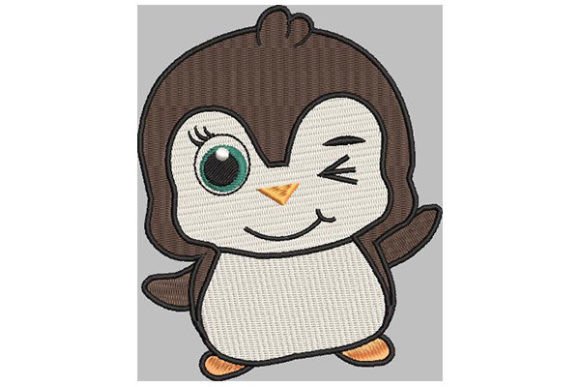
The title alone suggests a friendly, approachable vibe. "Says Hi" implies communication, warmth, and personality. For a craft fair product, you have roughly three seconds to catch a passerby’s eye. Does this design have that punch? Based on the description, this pretty embroidery gives your fabrics a nice look, aiming for an adorable accent rather than an overwhelming centerpiece. This is crucial. Many new sellers make the mistake of choosing designs that are too dense or large, which can stiffen the fabric and drive up production time. Baby Penguin Says Hi appears to strike a balance between decorative charm and practical application.
The aesthetic feels soft and modern, leaning away from rustic farmhouse trends and more toward contemporary nursery or playful adult accessories. It is not overly complex, which suggests it will stitch out cleanly on a variety of materials. For an experienced eye, this signals a design that is likely forgiving during production, a key factor when you are stitching fifty units before a Saturday morning market.
Product Application: Where It Sells Best
To maximize revenue, you must match the design to the right substrate. Here is how I envision Baby Penguin Says Hi performing across different handmade products:
- Tote Bags and Market Bags: This is arguably the strongest candidate. A tote bag offers a flat, stable surface that showcases the design without distortion. As a tote bag design, it appeals to parents carrying diaper essentials or shoppers looking for a cheerful grocery runner. The "adorable accent" nature of the design means it won’t overpower the bag’s utility.
- Tea Towels and Kitchen Linens: Tea towel embroidery is a high-volume seller at fairs. However, texture matters. If the towel is highly textured, fine details may get lost. Ensure the stitch density is appropriate for terry cloth or waffle weave. If the design is clean and bold, it becomes a perfect giftable handmade item for housewarmings.
- Aprons: An apron embroidery placement on the bib or pocket adds significant perceived value. It transforms a standard kitchen tool into a personalized keepsake. This works exceptionally well for holiday markets where buyers seek unique, non-generic gifts.
- Caps and Hats: Proceed with caution here. Curved cap surfaces distort designs. If Baby Penguin Says Hi has wide elements or intricate lettering, it may pucker. Test this extensively on scrap caps before committing to a batch. If it scales down well, it could be a hit for children’s apparel.
- Embroidered Patches: If the design holds its integrity at a smaller size, turning it into an iron-on or sew-on patch expands your inventory without increasing hoop time per unit. Patches are excellent impulse buys at checkout counters.
Production Practicality for Small Shop Owners
For any Etsy seller or creative entrepreneur, time is money. The description notes that this machine embroidery design comes with multiple embroidery file formats. This is a vital feature. It ensures compatibility with various machines, from single-needle home units to multi-needle commercial setups. However, the description does not specify exact stitch counts or recommended hoop sizes. Before you begin batch production, you must download the trial or purchase the file to inspect these technical details.
Stitch density is the silent killer of profit margins. If the design is too dense, it will take longer to stitch and may require heavy-duty stabilizers, increasing your cost per unit. Conversely, if it is too light, it might look cheap on darker fabrics. I recommend running a test stitch on the exact fabric you plan to sell. Check for thread breaks, nesting, and overall finish quality.
Another critical consideration is thread colors. A penguin design typically relies on high contrast—black, white, and perhaps orange or yellow for the beak and feet. Ensure your thread palette is vibrant. Dull threads will make the design look muddy, especially from a distance at a busy craft fair. High-contrast thread choices help the design pop against neutral backgrounds like cream, navy, or heather gray.
Navigating Technical Challenges
While Baby Penguin Says Hi seems straightforward, there are careful-use notes every designer should heed. First, consider the fabric texture. Thick fabrics like denim or canvas require sharp needles and potentially a cut-away stabilizer to prevent shifting. Textured towels can swallow small stitches; if the penguin’s eyes or beak are tiny, they might disappear into the loops of the fabric. In such cases, consider using a topping stabilizer to keep the stitches on the surface.
Dark fabric presents another challenge. If you are stitching on black or navy, ensure the white areas of the penguin are solid and dense enough to cover the background fabric completely. Otherwise, the dark fabric showing through can ruin the crispness of the image. Always do a wash test. Handmade products must survive laundering. Check if the design puckers after washing and drying, as this affects customer satisfaction and return rates.
Marketing and Visual Appeal
How does this design help you sell? It creates an emotional connection. Baby animals evoke nurturing feelings, making this design ideal for baby showers, birthdays, and spring collections. When creating your online listings, use a printable mockup to show the design in situ. A digital embroidery file allows you to generate high-quality images for your Etsy shop or social media before you even stitch a single unit. This saves time and helps you gauge interest.
For booth displays, consistency is key. If you use Baby Penguin Says Hi on a range of products—pillow covers, pouches, and totes—you create a cohesive collection. This brand consistency makes your booth look professional and curated, encouraging buyers to purchase multiple items. The design acts as a visual anchor, drawing customers in with its friendly demeanor.
Designer’s Checklist for Success
Before you list this as a commercial embroidery product, run through this final checklist:
- Test on Scrap Fabric: Never skip this. Use the exact material you intend to sell.
- Check Stabilizer Compatibility: Match the stabilizer to the fabric weight and stretch.
- Verify Hoop Size: Ensure the design fits your most commonly used hoops to minimize re-hooping time.
- Inspect Lettering: If "Says Hi" includes text, ensure it is legible at smaller sizes. Tiny lettering often merges during stitching.
- Confirm Licensing: The description mentions it is a unique embroidery design, but always verify the license terms. Can you sell finished products? Are there restrictions on quantity? Most digital embroidery files allow commercial use for finished goods, but never assume.
- Create Real Mockups: Photograph the stitched item in natural light. Show scale by including a common object like a coin or hand.
In conclusion, Baby Penguin Says Hi has strong potential as a versatile, high-appeal asset for your small shop product line. It bridges the gap between cute and functional, appealing to a broad demographic. By paying attention to stitch density, fabric choice, and presentation, you can turn this simple design into a consistent revenue stream. Remember, the success of a craft fair product lies not just in the design itself, but in how well it is executed and presented. Treat this design with care, test thoroughly, and let its charm do the selling.