Magic Satin: A Designer’s Review for Craft Fair Success
As an embroidery designer who has spent countless hours hooped up at weekend markets, I know that not every machine embroidery design translates well from the screen to the sales table. When I first loaded Magic Satin into my software, I was looking for more than just pretty stitches; I was looking for a product that would stop shoppers in their tracks. The promise that "Magic satin is everyone’s dream" sets a high bar, but does it deliver for the busy Etsy seller or the boutique maker preparing for a holiday rush? After putting this design through its paces on various fabrics and hoops, I am ready to share my honest assessment of how this lettering performs in the real world.
First Impressions: Elegance Meets Versatility
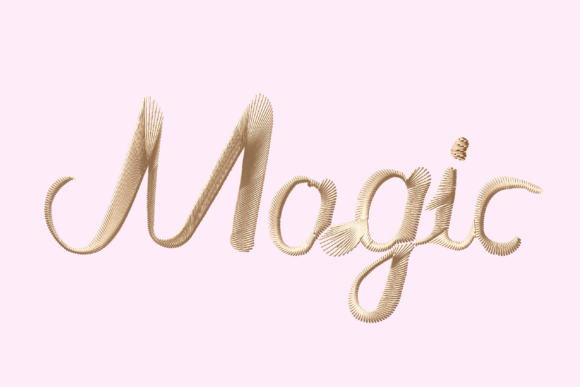
The immediate visual impact of Magic Satin is striking. True to its name, the design relies heavily on a beautiful satin stitch that creates a smooth, glossy finish reminiscent of high-end bridal wear. For those of us specializing in Wedding Quotes and romantic Embroidery, this texture is invaluable. It feels less like a standard digital output and more like a premium handmade touch. The aesthetic sits comfortably at the intersection of vintage charm and modern minimalism. It is not overly ornate, which means it avoids looking dated, yet it possesses enough decorative flair to feel special. This duality makes it a powerful asset for a small shop product line that needs to appeal to both traditional brides and contemporary couples seeking understated elegance.
Product Application: Where Magic Satin Shines
In my experience, the success of a design often depends on the canvas. I tested Magic Satin across a range of items typical for a craft fair booth. Here is where it performed best:
- Tote Bag Design: On canvas totes, the satin stitch pops beautifully against the coarse weave. It serves as a fantastic focal point for wedding party gifts or bridal shower favors.
- Apron Embroidery: For kitchen-themed markets, this design adds a touch of sophistication to linen aprons. It elevates a simple utility item into a keepsake handmade product.
- Tea Towel Embroidery: This is perhaps the strongest contender. The smoothness of the satin stitch contrasts nicely with the textured fabric, provided you use the right stabilizer. It turns a basic household item into a giftable luxury.
- Embroidered Patch: When scaled down correctly, the design works well on felt or twill backings for patches. These are easy to batch produce and sell as add-on items at your booth.
However, caution is needed with curved surfaces like caps. While the design is suitable for modern styles, the density of the satin stitch may cause puckering on structured hats if the hoop tension is not perfectly balanced. For pillow covers and market bags, the design acts as a strong central element, drawing the eye immediately.
Production Practicality for the Busy Maker
For those of us running a commercial embroidery side hustle, time is money. Magic Satin appears to be designed with efficiency in mind. The lettering is bold enough to be understood at a glance, which is crucial for customers walking past your booth. They do not have time to squint; they need to see the value instantly. The design photographs exceptionally well for online listings, especially when paired with high-contrast thread colors. A crisp white thread on navy linen or a soft blush on cream cotton creates a printable mockup quality image that drives clicks for digital sellers.
Batch production is feasible because the design does not rely on microscopic details that might break or require excessive trimming. It feels repeatable, allowing you to create a cohesive collection of design assets for your brand. Whether you are selling the digital embroidery file or the finished product, the consistency of the satin stitch helps maintain brand integrity across different items.
Careful-Use Notes and Technical Considerations
While Magic Satin is versatile, it is not without its technical demands. As an experienced designer, I must highlight a few areas where careful attention is required to ensure a professional result:
- Stitch Density: Satin stitches can be dense. On lightweight fabrics, this may cause pulling or distortion. Always test on scrap fabric first.
- Fabric Texture: Avoid using this design on highly textured towels or looped fabrics unless you use a topping. The smooth satin stitch can get lost in the pile or sink into the loops.
- Small Lettering: If you scale the design down too much, the satin columns may merge, losing clarity. Respect the minimum size recommendations to keep the lettering legible.
- Dark Fabric: When stitching on dark materials, ensure your thread contrast is high. A low-contrast thread on dark fabric can make the design look muddy from a distance.
- Stabilizer Choice: A cut-away stabilizer is often safer for satin-heavy designs on stretchy or thin fabrics to prevent long-term distortion.
It is also vital to confirm the specific hoop size requirements and file formats before purchasing. Since the product description mentions suitability for vintage and modern styles, ensure the font style matches your specific niche. Additionally, always verify the commercial licensing terms included with the embroidery file to ensure you are compliant when selling physical goods.
Enhancing Visual Appeal and Buyer Engagement
Ultimately, Magic Satin is about perceived value. The glossy sheen of the satin stitch signals quality to the buyer. It suggests that care and precision went into the craft fair product. In a crowded marketplace, this visual appeal can be the difference between a browser and a buyer. It strengthens your booth display by adding a touch of refinement that complements other rustic or farmhouse items without clashing. For the Etsy seller, it provides a versatile graphic that can be marketed across multiple seasons, from spring weddings to winter holidays.
To maximize its potential, I recommend creating a dedicated display section for items featuring this design. Use lighting that catches the sheen of the thread. Pair the embroidered items with complementary accessories, such as ribbon or lace, to enhance the vintage-modern vibe. By treating Magic Satin as a premium feature rather than just another add-on, you elevate the entire perception of your handmade brand.
In conclusion, Magic Satin is a robust addition to any embroidery designer’s library. It balances aesthetic beauty with practical application, making it a reliable choice for tote bags, linens, and gifts. By respecting its technical needs and leveraging its visual strengths, you can create products that not only look dreamy but also sell consistently. Remember to check all technical specifications regarding stitch count and license terms before starting your next production run, and happy stitching!