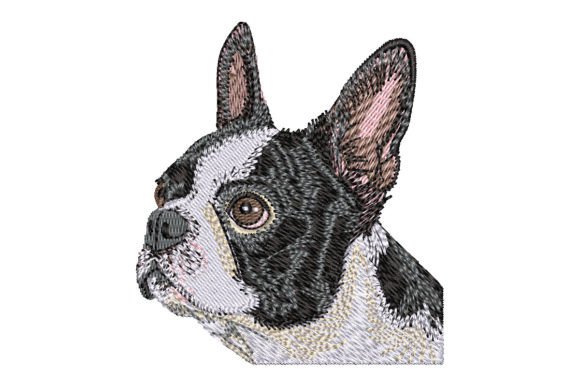
Boston Terrier Embroidery: A Designer’s Craft Fair Review
As an embroidery designer who has spent countless weekends behind a booth table, I know that not every machine embroidery design is created equal when it comes to retail success. Some designs look beautiful on a screen but fall flat in person, while others have that undeniable "pick-up factor" that stops browsers in their tracks. Today, I am reviewing the Boston Terrier design, specifically evaluating its potential as a high-converting craft fair product for dog lovers and handmade enthusiasts.
First Impressions: Realism Meets Market Appeal
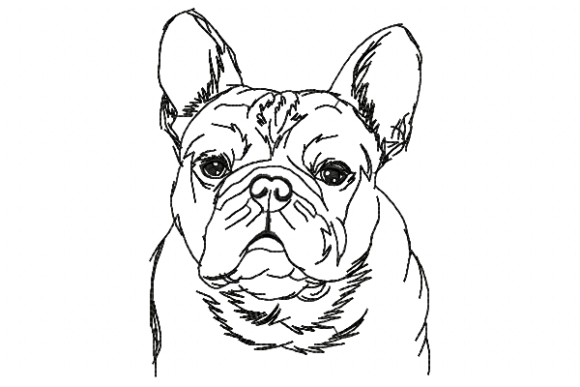
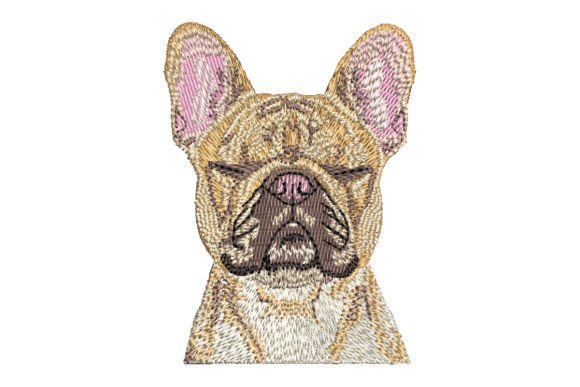
The title alone suggests a specific aesthetic: "Boston Terrier embroidery file Dog Art Realistic Dog For Boston Terrier and dog lovers." This tells me immediately that we are not dealing with a cartoonish or overly simplified motif. We are looking at realistic dog art. In the current market, realistic pet portraits hold a premium value because they evoke an emotional connection. When I visualize this embroidery file, I imagine crisp detailing in the fur texture and expressive eyes that capture the personality of the breed.
The description notes that the colors are based on ISACORD 40. This is a crucial detail for professional producers. ISACORD is a standard in the industry, meaning the thread palette is likely vibrant and colorfast. However, the note "You have to convert them if the" implies that users must be prepared to adjust thread charts for their specific machine or brand preferences. For a craft fair seller, this means you should test your specific thread brands against the design to ensure the stark black-and-white contrast typical of a Boston Terrier remains sharp and does not turn muddy.
Product Placement: Where Does This Design Shine?
To maximize sales, you must match the design to the right substrate. A realistic Boston Terrier design is versatile, but it performs differently across various handmade products.
- Tote Bag Design: This is arguably the strongest contender. A large, centered Boston Terrier on a natural canvas tote creates an instant statement piece. Dog owners love carrying their pet’s likeness, and the durability of canvas supports the stitch density required for realistic fur details.
- Apron Embroidery: Placing the design on the bib of a kitchen apron appeals to the home chef who is also a dog parent. It adds a personal, whimsical touch to a functional item.
- Tea Towel Embroidery: Here, caution is needed. Tea towels have a loose weave. If the stitch density is too low, the fabric may pucker or show through. If the design has tiny details, they may get lost in the texture. I recommend using a dense stabilizer and testing thoroughly before batch production.
- Embroidered Patch: Patches are excellent for impulse buys. If the design scales down well without losing the definition of the dog’s eyes and ears, it becomes a perfect add-on item for jackets, bags, or hats.
- Pillow Covers: A realistic dog face on a neutral linen pillow cover elevates the item from a simple craft to home decor. This targets a different buyer—one looking for interior accents rather than wearable art.
Production Practicality for the Small Shop Product
For an Etsy seller or boutique maker, time is money. A realistic design often requires higher stitch counts, which means longer machine run times. Before committing to a large inventory of finished products, you must evaluate the efficiency of this digital embroidery file.
Does the design require frequent thread changes? Realistic fur often uses multiple shades of black, gray, and white to create depth. If the design jumps between colors too often, it increases production time and the risk of thread breaks. Check the color sequence in your software. If it is optimized, great. If not, consider editing the sequence to group similar colors together, even if it means slightly compromising the gradient smoothness for the sake of production speed.
Photography is another critical factor. Realistic designs photograph beautifully because the shadows and highlights in the stitching catch the light. Use this to your advantage in your printable mockup and online listings. Close-up shots that highlight the texture of the stitches will convey quality and justify a higher price point compared to simpler, flat designs.
Careful-Use Notes and Technical Considerations
While the Boston Terrier design has high visual appeal, there are technical pitfalls to avoid. Realistic animal portraits can be dense. High stitch density on thin fabrics like lightweight cotton or silk can cause puckering or stiffness. Always use the appropriate stabilizer. For caps, a firm backer is essential to prevent the design from collapsing into the curved surface.
Additionally, consider the hoop size. Ensure the design fits comfortably within your standard hoop without requiring re-hooping, which introduces alignment errors. If the design includes any text, verify that small lettering remains legible after stitching. Tiny serif fonts often fill in and become unreadable when embroidered.
Fabric texture matters immensely. On textured towels or rough canvas, fine details in the dog’s whiskers or eye reflections may disappear. Test on the exact material you intend to sell. If the details vanish, consider simplifying the design or choosing a smoother fabric blend.
Boosting Brand Consistency and Buyer Engagement
Incorporating a high-quality Boston Terrier design into your lineup strengthens your brand as a provider of premium commercial embroidery goods. It signals that you care about detail and quality. Customers engage more deeply with products that reflect their passions. A dog lover will not just see a bag; they will see their companion.
To leverage this, create a cohesive display at your craft fair. Group all dog-themed items together. Use signage that highlights the "Realistic Dog Art" aspect. Offer customization if possible, such as adding a name below the portrait, which can significantly increase the perceived value and allow for a higher price margin.
Final Designer Verdict
Before you launch this as a core small shop product, follow these steps:
- Test on Scrap Fabric: Run the design on the exact fabric type you plan to use. Check for puckering, thread breaks, and color accuracy.
- Check Thread Contrast: Ensure the black and white threads provide enough contrast. Adjust brightness if necessary in your software.
- Review Spacing: Make sure elements are not too close together, which can cause thread nesting.
- Confirm Commercial Licensing: The description mentions it is an embroidery file for lovers, but always verify the license terms. Ensure you have the right to sell finished products made with this design assets package.
- Create a Real Mockup: Do not rely solely on digital previews. Stitch one physical sample to photograph for your marketing materials.
The Boston Terrier design holds strong potential for Dogs and Embroidery markets alike. It bridges the gap between artistic expression and commercial viability. With careful attention to fabric choice, stabilizer selection, and production efficiency, this design can become a staple in your craft fair inventory, drawing in customers who appreciate the lifelike charm of their favorite breed.