Electric Guitar Embroidery Design Review
As an embroidery designer who spends countless hours digitizing and testing files, I have learned that not every silhouette is created equal. When I first came across the Electric Guitar machine embroidery design on Creative Fabrica, I was immediately drawn to its clean lines and iconic shape. For those of us in the handmade community, finding a design that balances aesthetic appeal with technical stitchability is crucial. This review explores whether this specific guitar silhouette holds up under the needle for real-world commercial projects.
First Impressions and Visual Mood
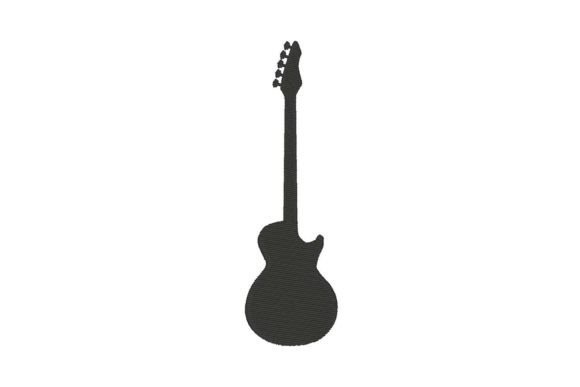
The initial appeal of the Electric Guitar lies in its simplicity. It captures the essence of rock and roll without unnecessary clutter. The visual mood is bold yet versatile, making it suitable for a wide range of demographics, from teenage music lovers to adult collectors of vintage instruments. The design relies heavily on strong outlines, which suggests a reliance on satin stitch or dense running stitch techniques to define the body and neck of the instrument.
For embroidery designers, the lack of excessive internal detail is actually a benefit. Complex shading often translates poorly on textured fabrics like towels or fleece. This silhouette approach ensures that the final finished product remains legible even from a distance. It feels modern and graphic, fitting seamlessly into current trends that favor minimalism in custom apparel and home decor.
Performance on Various Fabrics and Hoops
One of the primary concerns when selecting a new embroidery file is how it behaves on different materials. I evaluated how this design might perform on common substrates used by Etsy sellers and small business owners.
- Tote Bags: Canvas is forgiving, but the weave can be loose. The solid shapes in the Electric Guitar design should hold up well here, provided a cut-away stabilizer is used to prevent puckering.
- Sweatshirts and Hoodies: Stretchy fabrics require careful handling. Because this is a silhouette, there is a risk of the fabric pulling inward if the stitch density is too high. I recommend testing on scrap fabric first to ensure the guitar shape does not distort the garment.
- Caps and Hats: Curved surfaces are tricky. If the design includes small details near the tuning pegs, these might get lost on the curved panel of a cap. However, the main body of the guitar should translate well to a structured front panel.
- Patches: This design is ideal for creating an embroidered patch. The clear boundaries make it easy to cut around after stitching, allowing for iron-on or sew-on applications that add value to jackets and bags.
When working with dark fabrics, thread color contrast becomes vital. A bright white or metallic thread against black cotton creates a striking look, while tonal stitching offers a subtle, sophisticated vibe for boutique merchandise.
Commercial Viability for Small Businesses
For creative entrepreneurs, the ultimate question is whether this design helps sell products. The Music category is evergreen, appealing to a passionate niche market. Using this Creative Fabrica embroidery asset can enhance product value by offering personalized options. Imagine offering a service where customers can add their name in a complementary font beneath the guitar silhouette. This transforms a standard item into a personalized gift, significantly increasing perceived value.
The versatility of the design allows for diverse product lines. You are not limited to t-shirts. Consider applying this tote bag design to music festival bags, or using it for sweatshirt embroidery targeted at band members and music teachers. The clean aesthetic also works well for nursery decor, appealing to parents who want to introduce a love for music early on, provided the scale is adjusted appropriately.
Furthermore, the digital nature of the product allows for the creation of high-quality printable mockup images. Since the shape is distinct, it photographs well, helping online sellers create compelling listings that drive customer engagement and trust.
Technical Considerations and Best Practices
While the design appears straightforward, successful execution requires attention to technical details. Here are practical notes for ensuring professional results:
- Check File Details: The product description mentions multiple embroidery files. Always verify the included formats (such as PES, DST, or JEF) to ensure compatibility with your specific machine before purchasing.
- Stabilizer Selection: For stretchy knits, use a tear-away stabilizer for stability during stitching and remove it carefully afterward. For woven fabrics like canvas or denim, a cut-away stabilizer provides long-term durability, especially for items that will undergo frequent washing.
- Thread Choices: Experiment with thread colors. While black is classic, using variegated threads can add depth to the fill areas if the design utilizes fill stitch techniques. Avoid overly shiny threads if you are aiming for a vintage, distressed look.
- Test Stitching: Never run a new design on a final product without a test. Stitch out the Electric Guitar on a similar fabric scrap. Inspect small details, such as the bridge or pickups, to ensure they are not too dense, which can cause thread breaks or fabric bunching.
- Hoop Size: Confirm the required hoop size. While silhouettes are often scalable, ensure you do not exceed the recommended dimensions, as this can alter the stitch density and compromise quality.
Enhancing Brand Consistency and Appeal
Incorporating well-digitized assets like this guitar silhouette helps maintain brand consistency. If your shop focuses on music-themed goods, having a cohesive look across different products builds buyer trust. The clean lines of this design allow it to pair well with other design assets, such as musical notes or amplifier icons, enabling you to create bundled collections.
The "handmade" aspect is highlighted when the stitching is crisp and free of errors. A well-executed machine embroidery design signals quality to the customer. Whether it is a kitchen towel for a musician’s home or a pillow cover for a studio lounge, the precision of the embroidery reflects directly on your craftsmanship.
Final Verdict
The Electric Guitar embroidery design is a solid addition to any digital library for makers targeting the music niche. Its strength lies in its adaptability and clear visual identity. It avoids the pitfalls of over-complicated digitizing, making it accessible for beginners while still offering professional results for experienced decorators.
Before integrating it into your commercial workflow, remember to review the licensing terms on the Creative Fabrica product page. Ensure that your intended use, whether for physical sales or digital bundles, complies with the creator's guidelines. By combining this versatile silhouette with high-quality materials and careful stitching practices, you can create standout commercial embroidery products that resonate with music lovers everywhere.
Ultimately, this design serves as a reliable tool for expanding your product range. It invites creativity, allowing you to experiment with placement, color, and fabric combinations to keep your offerings fresh and engaging for your audience.