Frok Embroidery Design Review for Business Merch
As an embroidery designer who has spent years digitizing and testing files for commercial use, I approach every new machine embroidery design with a critical eye. It is not just about whether a pattern looks pretty on a screen; it is about how it performs in the real world of small business merchandise. Today, I am reviewing Frok, a creative embroidery file that promises to add a stylish and artistic feel to any fabric. For boutique owners, Etsy sellers, and apparel decorators, understanding the practical application of a design like Frok is essential before investing in production.
First Impressions: Artistic Versatility for Modern Brands
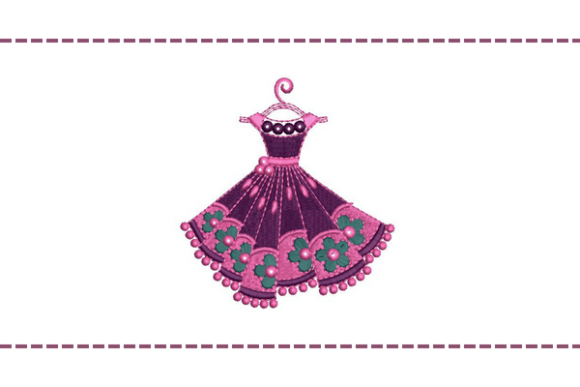
The product description for Frok highlights its ability to enhance decorative pillows, bedsheets, clothes, and home decor. From a branding perspective, this versatility is a strong starting point. The term "artistic" suggests that Frok likely moves away from rigid, corporate geometry and leans into a more organic or hand-drawn aesthetic. For small businesses in the lifestyle, café, or creative studio sectors, this is invaluable. A design that feels too stiff can alienate customers looking for authenticity, while one that is too chaotic may lack professionalism.
In my initial assessment, Frok appears to bridge the gap between decorative flair and brand clarity. If you are running a handmade product line or a local bakery, you need assets that feel approachable yet premium. Frok seems positioned to serve as that visual anchor. However, because the description mentions it comes with "multiple embroide" options—likely implying multiple formats or color variations—it is crucial to verify exactly what is included in the digital embroidery file package before purchase.
Real-World Applications for Small Business Merch
Let us move beyond theory and look at how Frok performs in actual commercial embroidery scenarios. The true test of any design is its adaptability across different substrates and products.
Branded Patches and Labels
One of the most effective ways to use Frok is as an embroidered patch. Patches are trending heavily in current fashion and merchandising because they offer a tactile, high-value perception. If Frok has clean outlines and manageable stitch density, it can be scaled down for a chest logo accent on work shirts or scaled up for a statement back piece on denim jackets. For a florist or pet brand, a patch featuring this design can be sewn onto tote bags or aprons, creating a cohesive brand identity that customers recognize instantly.
Staff Uniforms and Apron Embroidery
For cafes and boutiques, staff uniforms are walking billboards. Using Frok for apron embroidery adds a touch of elegance without overwhelming the garment. Because the design is described as stylish, it likely complements neutral-toned linens or canvas aprons well. When applying it to uniforms, ensure the placement is consistent. A left-chest placement is standard for professionalism, but if Frok is larger, a central lower-back placement on an apron can create a striking visual impact when staff are working behind a counter.
Tote Bag Design and Caps
Tote bag design requires durability and visibility. Frok’s artistic nature makes it suitable for canvas totes, which are popular eco-friendly alternatives to plastic bags. However, cap embroidery presents unique challenges due to the curved surface and limited space. If you plan to use Frok on hats, you must check the width of the design. If it is too wide, it will wrap around the sides of the cap, distorting the image. Always create a printable mockup to visualize how the curves of the cap interact with the lines of the design.
Technical Considerations and Potential Pitfalls
While Frok offers aesthetic appeal, there are technical constraints every embroidery professional must consider. Ignoring these can lead to wasted thread, ruined garments, and unhappy clients.
- Stitch Density: Artistic designs sometimes rely on dense filling to create depth. On lightweight fabrics like thin cotton t-shirts or silk sheets, high stitch density can cause puckering. Always use an appropriate stabilizer—cut-away for stretchy knits and tear-away for stable wovens—to support the stitches.
- Small Patch Sizes: If you intend to shrink Frok for small labels or tiny patches, inspect the detail level. Fine lines may merge or break if the design is reduced below a certain threshold. Test a sample at your smallest intended size to ensure legibility.
- Fabric Texture: The description mentions bedsheets and home decor. Textured fabrics like terry cloth or heavy linen can obscure detailed embroidery. Ensure there is enough contrast between the thread colors and the fabric background. On dark uniforms, you may need to add an underlay or choose lighter thread shades to make Frok pop.
- Washability: Items like aprons and work shirts undergo frequent washing. Verify that the stitch structure of Frok is secure. Loose ends or poorly locked satin stitches can unravel over time, diminishing the perceived quality of your custom apparel.
Enhancing Brand Identity and Customer Trust
Why does the choice of a specific machine embroidery design matter for business growth? It comes down to perceived value. A generic, clip-art style logo signals low effort. In contrast, a well-executed embroidered design like Frok signals attention to detail and craftsmanship. This builds customer trust.
When a customer receives a tote bag or a shirt with high-quality embroidery, they perceive the finished product as premium. This allows small business owners to justify higher price points. Furthermore, visual consistency is key. If Frok aligns with your existing design assets, such as your website fonts and packaging colors, it strengthens brand recognition. Consistent use of this design across patches, tags, and merchandise creates a professional ecosystem that encourages buyer engagement and loyalty.
Practical Designer Notes for Implementation
Before you run a full production batch using Frok, follow these steps to ensure success:
- Test in Black and White: Before selecting vibrant threads, stitch out Frok in black thread on white fabric. This reveals the structural integrity of the design without the distraction of color. If it looks good in monochrome, it will look great in color.
- Check Commercial Licensing: The prompt mentions this is for small business merchandise, but always confirm the license terms included with the digital embroidery file. Ensure you have the right to sell items featuring Frok commercially.
- Verify File Formats: The description notes "multiple embroide" but does not list specific formats. Check if the package includes the format compatible with your machine (e.g., PES, DST, EXP). Missing formats can halt production.
- Create Client Mockups: If you are doing this for a client, use software to place Frok on photos of their actual products. A printable mockup helps manage expectations and reduces revision requests.
- Hoop Size Confirmation: Ensure the design fits within your standard hoop size. If Frok is large, you may need a multi-position hoop or a larger frame, which affects pricing and production time.
Final Verdict on Frok for Commercial Use
Frok stands out as a versatile option for businesses looking to elevate their small business merch. Its artistic vibe suits brands that value creativity and warmth, such as bakeries, florists, and handmade shops. While it requires careful attention to stitch density and fabric selection, the potential for creating high-value embroidered patch products and branded uniforms is significant.
For embroidery shops and designers, adding Frok to your library expands your ability to offer unique, non-corporate branding solutions. Just remember to test thoroughly, respect the technical limits of your materials, and always prioritize the clarity of the final stitch-out. When used correctly, Frok is not just a decoration; it is a strategic tool for building a memorable and trustworthy brand presence in the competitive world of Clothing and home goods.