Little Mouse: A Designer’s Review for Personalized Gifts
As an embroidery designer who spends countless hours digitizing and testing files, I approach every new machine embroidery design with a critical eye. It is not just about whether the file runs smoothly on the machine; it is about how the final piece feels in a customer’s hands. Recently, I tested Little Mouse, a charming digital asset that immediately caught my attention for its versatility and emotional appeal. While categorized under Halloween, this design transcends seasonal trends, offering a whimsical touch suitable for year-round personalized gifts.
First Impressions: Charm Beyond the Season
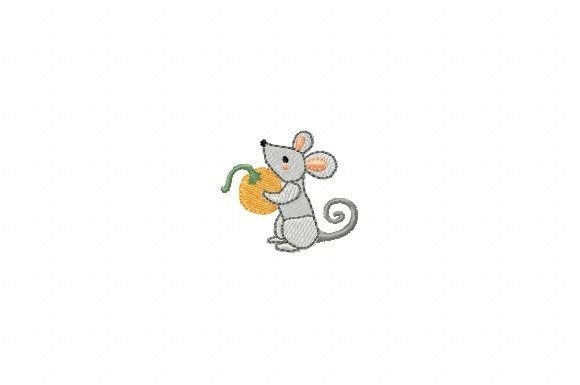
When I first loaded the embroidery file into my software, the immediate impression was one of playful elegance. Little Mouse does not rely on spooky tropes often associated with October. Instead, it features a sweet, approachable character that exudes warmth. The detail level is impressive without being overly complex, striking a balance that appeals to both modern aesthetics and classic handmade sensibilities.
The mood is distinctly gentle. For a personalized gift, this emotional resonance is crucial. Customers are not just buying a stitch pattern; they are buying a feeling. Whether it is nostalgia, comfort, or joy, Little Mouse delivers a sense of handmade quality that elevates the perceived value of any item it adorns. It feels less like a generic clipart and more like a curated illustration, which is exactly what discerning buyers look for in high-end craft fair products or boutique Etsy listings.
Real-World Applications for Makers and Sellers
In my test run, I envisioned several scenarios where this design would shine as a finished product. The versatility of Little Mouse makes it a strong candidate for various niches within the handmade community.
- Baby Embroidery: The soft lines and cute subject matter make it ideal for baby blankets and nursery decor. Imagine this stitched onto a muslin swaddle or a crib sheet. It creates an instant emotional connection for new parents looking for unique, non-mass-produced items.
- Kitchen and Home Decor: An embroidered towel featuring Little Mouse adds a touch of whimsy to a farmhouse kitchen. It also works beautifully on pillow covers, adding texture and personality to living spaces.
- Wedding and Family Keepsakes: While not traditionally romantic, the charm of this design fits well in rustic or woodland-themed wedding gifts. It could be used on tote bags for bridesmaids or as a cute accent on aprons for a couple’s first home.
- Etsy and Small Shop Products: For the Etsy seller, having a design that works across multiple product types is key to inventory management. Little Mouse can be marketed as a standalone digital download or used in ready-to-ship items like custom tote bags and beanies.
This adaptability means you can create a cohesive collection. A matching set of a blanket, a towel, and a wall hanging featuring the same character encourages bundle purchases, increasing your average order value.
Navigating Fabric and Technical Challenges
While Little Mouse is described as a high-quality design that looks great on any fabric, experienced makers know that context matters. During my review, I identified specific areas where careful planning is required to ensure a professional result.
Fabric Texture and Stability: When working with textured fabrics like terry cloth towels or thick fleece blankets, small details can get lost. I recommend checking the stitch density of the file. If the design has fine lines, they may sink into plush fabrics. Using a cutaway stabilizer is essential here to provide enough support. For stretchy baby clothes, a lightweight tear-away might not suffice; a soft cutaway ensures the design remains intact after repeated washing.
Color Contrast: The charm of Little Mouse relies on visibility. On dark fabrics, you must ensure your thread colors have enough contrast. I suggest creating a printable mockup or doing a test stitch on scrap fabric before committing to the final product. This step saves time and materials, ensuring that the delicate features of the mouse do not blend into the background.
Curved Surfaces: Embroidering on curved items like pillow covers or tote bag corners requires precise hooping. If the design is large relative to the hoop size, distortion can occur. Always confirm the hoop size requirements listed in the product description. If the file is optimized for a 5x7 hoop but you are using a 4x4, you may need to resize, which can affect stitch density and quality.
Enhancing Giftability and Customer Trust
From a business perspective, the choice of design directly impacts buyer engagement. Little Mouse enhances giftability because it feels thoughtful. A plain towel is a commodity; an embroidered towel with a whimsical character is a handmade product with soul. This distinction builds customer trust. When buyers see consistent, high-quality stitching in your product photography, they perceive your brand as professional and reliable.
Furthermore, the emotional appeal of the design drives social sharing. Cute, well-executed embroidery is highly shareable on platforms like Instagram and Pinterest. A photo of a baby sleeping under a blanket with Little Mouse stitched in the corner tells a story. It invites comments and likes, which organically boosts your visibility as a small shop owner.
Practical Notes for the Embroiderer
Before you list Little Mouse in your store or use it for a client order, follow these practical steps to ensure success:
- Test on Scrap Fabric: Never skip this step. Use the same fabric type and weight you intend to sell. Check for puckering, thread breaks, or registration issues.
- Review Stitch Density: High-density designs can be stiff. For baby items, ensure the back of the embroidery is not scratchy. Trimming jump stitches and using a soft backing can improve comfort.
- Check Commercial Licensing: The product description mentions it is a high-quality digital embroidery file, but always confirm the license terms. Ensure you have the right to sell finished products made with this design, especially if you are running a commercial embroidery business.
- Mockups Matter: Compare light and dark fabric mockups. Show customers how the design looks on different backgrounds. This transparency reduces return rates and manages expectations.
- Verify File Formats: Ensure the download includes the formats compatible with your machine. While the description notes it is a detailed digital embroidery, specific format lists are usually provided in the download package. Check these before purchase or use.
Final Thoughts on Little Mouse
In conclusion, Little Mouse is a standout addition to any embroidery designer’s library. It bridges the gap between seasonal novelty and timeless charm. For the small business owner, it offers flexibility across product lines, from nursery items to kitchen textiles. For the crafter, it provides a joyful project that results in a cherished keepsake.
By paying attention to fabric choice, stabilizer selection, and color contrast, you can maximize the potential of this design. It is not just about stitching a pattern; it is about creating a custom embroidery piece that resonates with the recipient. Whether you are preparing for Halloween or building a year-round catalog of baby gifts, Little Mouse delivers the quality and emotional depth that define successful handmade products.
Remember, the best designs are those that disappear into the emotion of the gift, leaving only the feeling of care and craftsmanship. Little Mouse achieves this with ease, making it a worthy investment for your next creative endeavor.