Reviewing Make Life Better for Embroidery Projects
As an embroidery designer who spends countless hours digitizing and stitching, I am always on the lookout for designs that balance aesthetic appeal with technical reliability. When I first encountered Make Life Better on Creative Fabrica, I was drawn to its promise of high-quality lettering that avoids the stiffness often found in standard font-based designs. In the world of machine embroidery design, finding a piece that feels organic and encouraging rather than rigid is a rare find. This review explores whether this Inspirational piece holds up under the scrutiny of real-world production, from custom apparel to handmade gifts.
First Impressions: Mood and Stitching Personality
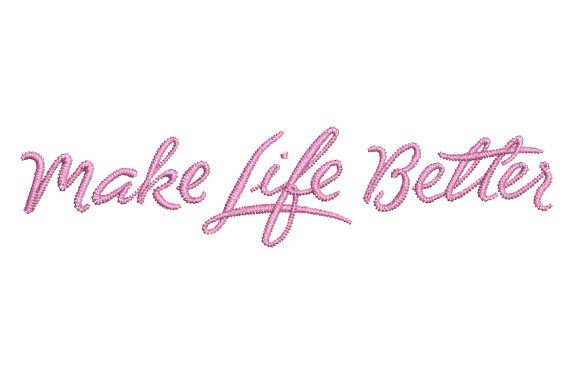
The immediate appeal of Make Life Better lies in its visual mood. The description notes that the work was designed to encourage people to stand up and fight for what they love, and this intent translates visually into a design that feels approachable and warm. Unlike many digital fonts that translate poorly into thread, this embroidery file appears to have been crafted with the limitations and beauties of the needle in mind. The lettering does not feel too stiff, suggesting a thoughtful approach to satin stitch widths and running stitch connections that allow the fabric to breathe.
For designers, the "personality" of a stitch is crucial. A design that looks perfect on screen can often look plastic or heavy once stitched out. The promise of flexibility in Make Life Better suggests a lower stitch density in non-critical areas, which is essential for maintaining the drape of garments like t-shirts or lightweight tote bags. This decorative appeal makes it a strong candidate for projects where the message needs to feel personal rather than mass-produced.
Real-World Application for Handmade Products
When considering a new Creative Fabrica embroidery asset, I always ask: where does this belong in my shop? For Make Life Better, the applications are versatile due to its inspirational nature. Here is how I envision using this design in a commercial or hobbyist context:
- Custom Apparel: The fluid nature of the lettering makes it ideal for sweatshirt embroidery. Placed on the left chest or across the back, it offers a boutique feel that appeals to customers looking for meaningful custom apparel.
- Tote Bags and Aprons: Canvas and cotton blends handle well-defined lettering beautifully. As a tote bag design, this phrase resonates with eco-conscious buyers who value positive messaging. Similarly, on an apron, it adds a touch of warmth to kitchen textiles.
- Home Decor: Imagine this stitched onto a pillow cover or a nursery decor item. The encouraging message fits perfectly in spaces dedicated to comfort and family, enhancing the handmade product value through emotional connection.
- Embroidered Patches: If the design scales well, it could serve as a striking central element for an embroidered patch, allowing customers to iron-on positivity to jackets or hats.
For Etsy sellers and small business owners, the key is versatility. A design that works on a baby blanket must also look crisp on a structured cap. Make Life Better seems positioned to bridge these gaps, provided the scaling is handled with care.
Technical Considerations for Embroiderers
While the aesthetic is promising, the technical execution is where a design succeeds or fails. Here are practical notes for anyone planning to stitch Make Life Better on real projects.
Fabric and Stabilizer Selection
Because the design aims to avoid stiffness, fabric choice is critical. On stretchy fabrics like jersey knits for t-shirts, using a cut-away stabilizer is non-negotiable to prevent puckering. For woven fabrics like canvas tote bags or linen pillow covers, a tear-away stabilizer may suffice, but testing is required. The text mentions the design is high-quality, but you must verify how the fill stitch or satin columns interact with textured fabrics. Always test on scrap fabric before committing to a final finished product.
Hoop Size and Scaling
One of the most common pitfalls with lettering designs is scaling them down too far. If you intend to use this on a cap or a small pocket, check the minimum recommended hoop size. Tiny lettering can lose definition if the stitch count is too high for the area, leading to thread breaks or bird nests. Conversely, scaling it up too much for a large blanket might expose gaps in the stitching if the density was optimized for a smaller format. Review the file details on the Creative Fabrica product page to confirm the intended size range.
Thread Colors and Contrast
The impact of Make Life Better relies heavily on contrast. On dark fabrics, ensure you use a high-quality rayon or polyester thread with a slight sheen to make the letters pop. For a subtle, tonal look on light fabrics, consider using a matte cotton thread. Always create a printable mockup or use software to simulate different thread colors before stitching. This helps in assessing whether the design maintains its readability and visual appeal across different colorways.
Enhancing Product Value and Brand Consistency
Using a well-digitized design like Make Life Better can significantly affect buyer trust. Customers can often tell the difference between a cheap, auto-digitized font and a design that has been crafted for embroidery. The latter signals quality, care, and professionalism. When you offer a personalized gift or a piece of commercial embroidery that feels soft and integrated into the fabric, you enhance the perceived value of your brand.
Furthermore, consistent use of high-quality design assets helps build a cohesive shop identity. If your brand focuses on positivity and handmade warmth, this Inspirational piece aligns perfectly with that narrative. It encourages customer engagement because the message itself invites reflection and sharing. A happy customer is more likely to post a photo of their new sweatshirt or tote bag, providing free marketing for your shop.
Final Verdict and Practical Advice
Before adding Make Life Better to your library, take a moment to review the specific file formats provided. Ensure they are compatible with your embroidery machine. While the description highlights the quality and motivational aspect, it does not specify exact stitch counts or complex layering details. Therefore, it is vital to check the product page for licensing terms, especially if you plan to sell finished products commercially.
In summary, Make Life Better appears to be a thoughtful addition to any embroiderer’s toolkit. Its focus on avoiding stiffness makes it suitable for wearable art and soft home goods. By paying attention to stabilizer choice, hoop size, and thread contrast, you can transform this digital file into a tangible item that truly encourages those who receive it. For designers looking to expand their catalog with meaningful, high-quality Embroidery pieces, this design warrants a closer look and a test stitch.