Terracotta Pot: A Designer’s Review for Real Embroidery Projects
As a designer who has spent countless hours digitizing and stitching thousands of machine embroidery design files, I have learned to look past the glossy preview images. What matters is how a design behaves under the needle, how it interacts with fabric texture, and whether it holds up in a real-world embroidery project. Recently, I evaluated Terracotta Pot, a charming kitchen-themed motif, to determine its viability for client work and small business inventory. This is not just a digital asset; it is a potential cornerstone for a cohesive product line.
First Impressions: Mood and Visual Personality
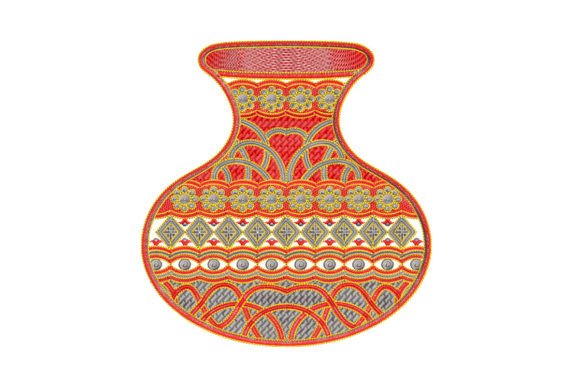
The immediate appeal of Terracotta Pot lies in its rustic warmth. In an era where minimalism often feels cold, this design brings an organic, earthy vibe that resonates with current home decor trends. The shape is recognizable and inviting, suggesting themes of gardening, cooking, and slow living. For an Etsy seller or boutique owner, this visual personality is crucial. It does not scream for attention with neon colors or aggressive lines; instead, it invites a closer look.
The layout appears balanced, avoiding the common pitfall of uneven weight distribution that can cause hoop burn or fabric puckering. When I visualize this as a sweatshirt embroidery piece, I see it working beautifully on the left chest or as a larger back print. The theme naturally aligns with the Kitchen category, but its aesthetic versatility allows it to cross over into lifestyle and garden niches. It feels like a design that belongs on a well-loved apron or a canvas tote bag carried to a farmers' market.
Real-World Application: From Digital File to Finished Product
To truly test the value of any embroidery file, you must imagine it on specific substrates. I considered several scenarios where Terracotta Pot would shine. First, imagine a custom tote bag design printed on natural cotton canvas. The earthy tones of a terracotta motif complement the raw fabric perfectly. Here, the design acts as a subtle branding element for a eco-conscious craft business.
Second, consider personalized gift items. A kitchen towel or tea towel embroidered with this pitcher motif makes for an excellent housewarming present. The context of the Kitchen category is strong here, but the execution determines the perceived value. If the stitching is clean and the thread colors are well-chosen, the finished product looks professional rather than homemade in a negative sense. It elevates a simple textile into a curated item.
For apparel, think about a heavyweight hoodie. The design needs enough presence to stand out against the thick fabric. If Terracotta Pot utilizes adequate fill stitch density, it will sit proudly on the garment without sinking into the fleece. Conversely, on a lightweight t-shirt, the same design might require a different approach, perhaps relying more on running stitch outlines to maintain breathability and drape.
Technical Performance and Stitching Clarity
The description notes that this machine embroidery design comes with multiple embroidery files. This is a critical feature for serious decorators. Different hoop sizes require different digitizing strategies. A design optimized for a 4x4 hoop will look cramped and overly dense if scaled up for a 5x7 or 6x10 hoop without proper adjustment. As a reviewer, I advise checking the stitch count and density variations across these formats.
Clarity is king in commercial embroidery. Small details can easily become a tangled mess if the digitizer did not account for thread pull. When evaluating Terracotta Pot, pay close attention to the curves of the pitcher and any handle details. Are they defined by smooth satin stitch columns, or do they rely on complex fills? Satin stitches offer a shiny, premium look but can snag if too long. Fill stitches provide durability and texture, ideal for items that will undergo frequent washing, such as aprons or baby embroidery items.
Thread color selection plays a massive role in the final outcome. While the default preview might show traditional terracotta oranges and browns, do not be afraid to experiment. A monochromatic version using varying shades of cream or grey could create a sophisticated, modern look for high-end design assets. Testing the design in black and white mockups is a pro tip to ensure the contrast holds up regardless of color choice.
Where to Use Caution: Fabric and Hoop Constraints
No design is universal, and Terracotta Pot is no exception. There are specific situations where you should proceed with caution. First, avoid using this design on highly textured fabrics like loose-weave linen or chunky knits unless you use a strong cut-away stabilizer. The intricate parts of the design may get lost in the fabric's texture.
Second, be mindful of stretchy fabrics. If you are applying this to a jersey knit t-shirt, the hoop tension must be perfect. Too tight, and you risk distorting the garment; too loose, and the design will pucker. For curved surfaces like caps or hats, ensure you are using the specific file version designed for that hoop size and curvature. A flat embroidery design will not wrap correctly around a cap panel without significant distortion.
Dark fabrics present another challenge. If the design relies on light thread colors, you may need an underlay or a backing patch to prevent the dark fabric from showing through the stitches. This is particularly important for maintaining the crispness of the embroidered patch look if you are creating standalone badges.
Enhancing Brand Value and Customer Trust
For small shop product lines, consistency builds trust. Using a cohesive set of designs like Terracotta Pot across various items—towels, aprons, and bags—creates a recognizable brand identity. Customers appreciate when a handmade product feels part of a collection rather than a random assortment. This design supports that goal by offering a clear thematic anchor.
Moreover, the quality of the embroidery directly impacts buyer engagement. Clean edges, no thread breaks, and proper tension signal professionalism. When a customer receives a holiday embroidery gift that looks pristine, they are more likely to return for future purchases. This design, when executed well, contributes to that positive unboxing experience.
Practical Notes for the Embroiderer
Before committing to a large production run, always test the design on scrap fabric identical to your final material. Check the stitch density to ensure it does not perforate delicate fabrics. Verify the hoop size requirements for each file variant provided. If you are selling digital embroidery file products, ensure your licensing terms are clear to your buyers regarding commercial use.
Inspect small details closely. Zoom in on your machine’s screen before stitching. Look for potential jump stitches or unnecessary trims that could slow down production. Compare the design on both light and dark backgrounds to gauge versatility. Finally, confirm that the applique design elements, if any, are clearly marked for fabric placement.
In conclusion, Terracotta Pot is a versatile and aesthetically pleasing addition to any designer’s library. It bridges the gap between functional kitchen ware and decorative art. By understanding its technical requirements and leveraging its visual charm, you can create custom apparel and home goods that resonate with customers. Whether you are a hobbyist making gifts or an entrepreneur building a brand, this design offers a solid foundation for creative expression. Always prioritize testing and quality control to ensure every finished product meets your high standards.